.svg)
.svg)


.svg)

Resting like a traveller, gently unraveling
Hakone feels less like a place you simply visit,
and more like somewhere you slowly arrive at.
Set quietly along the old Tokaido road, where hot springs rise from Mount Yusaka,
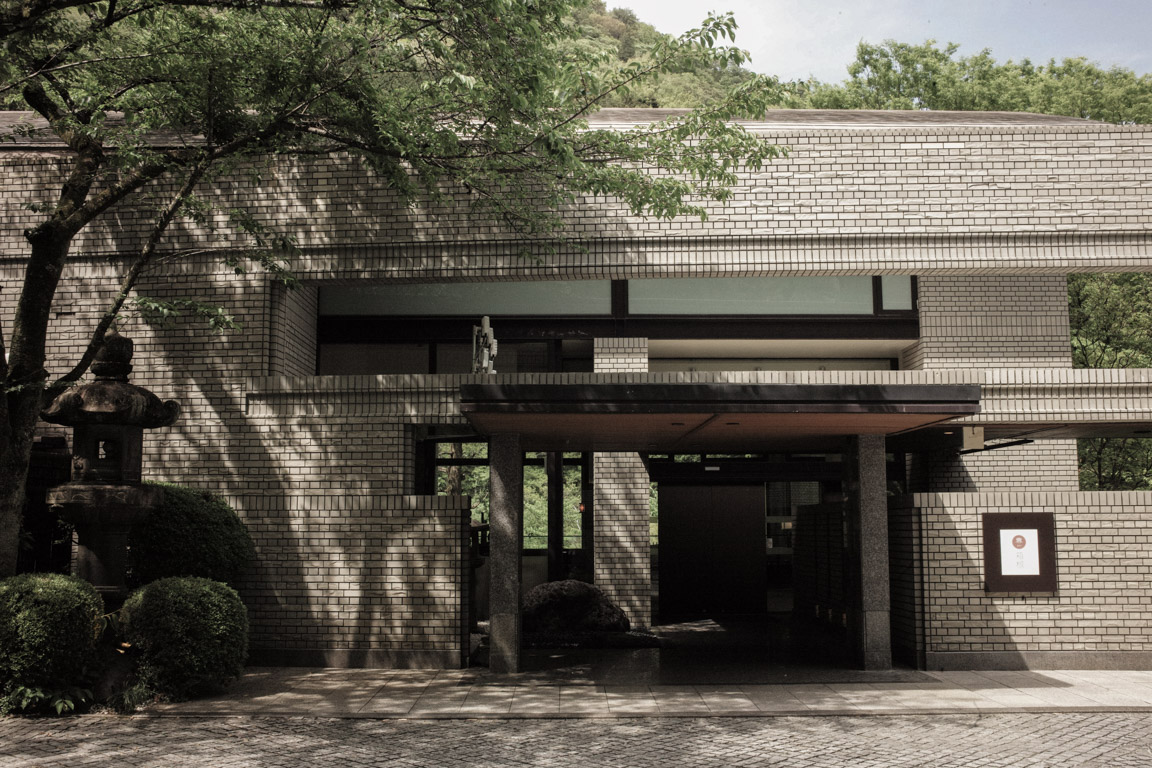
stands KAI Hakone.
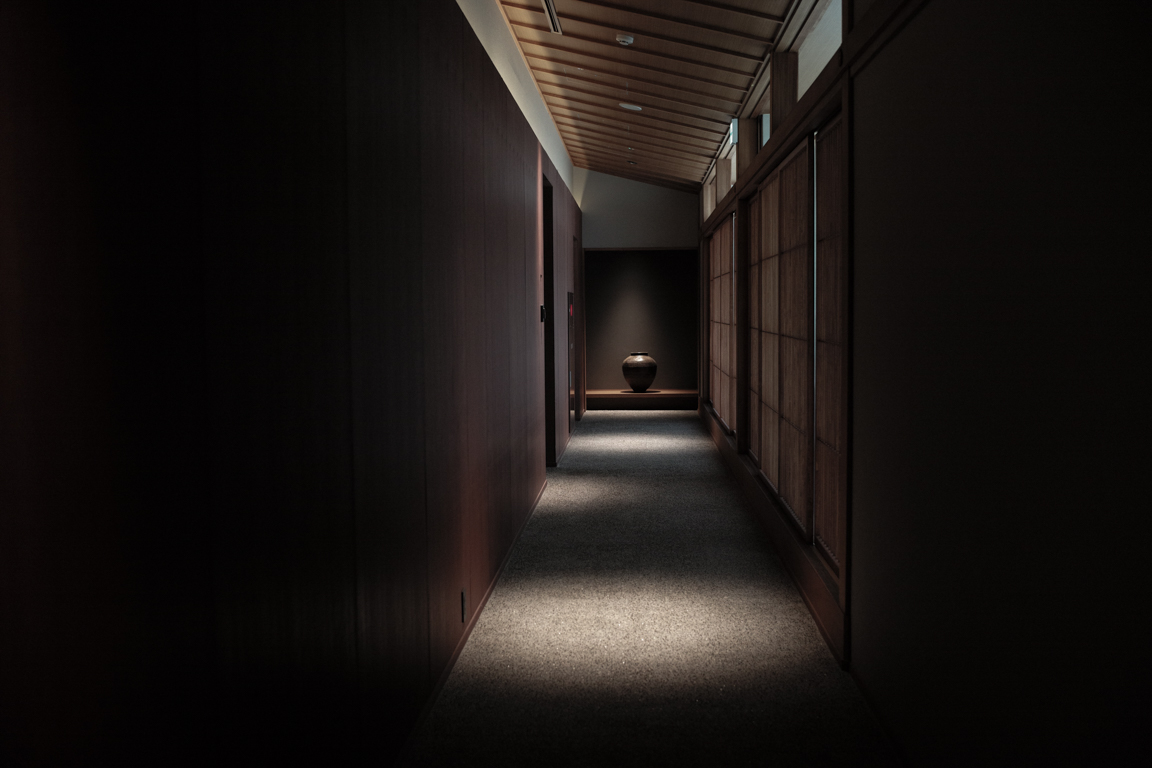
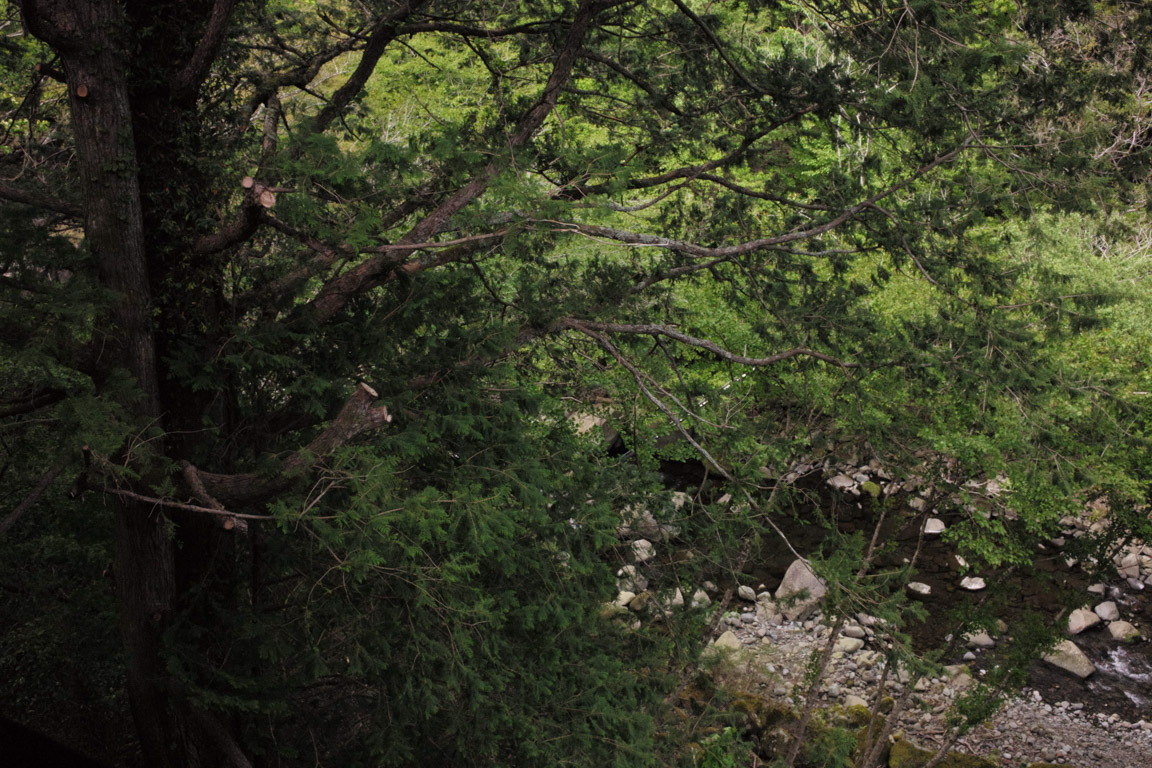
There is still a quietness here, as though it gently holds the pauses left behind by travellers of another time. Before you, the Sukumo River quietly flows.
Open the window and the endless sound of moving water begins to soften everything — even your breath.
旅人のように、静かにほどけていく時間
箱根には、ただ“訪れる”というより、
ゆっくりと“辿り着く”という言葉が似合う気がする。
旧東海道沿い、湯坂山から湧き出る温泉に寄り添うように佇む
星野リゾートの温泉旅館『界 箱根』。
かつて旅人たちを迎えてきたこの土地には、
今もどこか、旅の余白を受け止めるような静けさが流れている。
目の前には須雲川。窓を開けると、
絶えず流れる水音が耳に届き、
自然と呼吸までゆっくりになっていく。
Hakone Gokochi no Ma
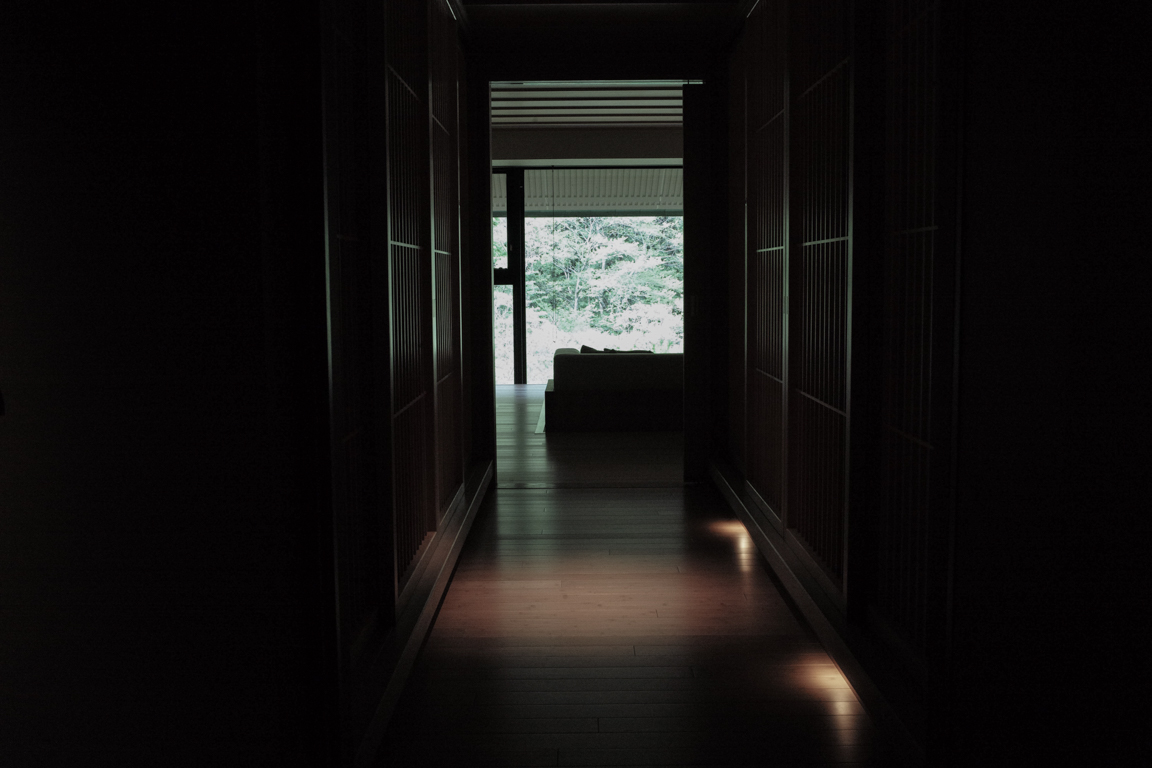
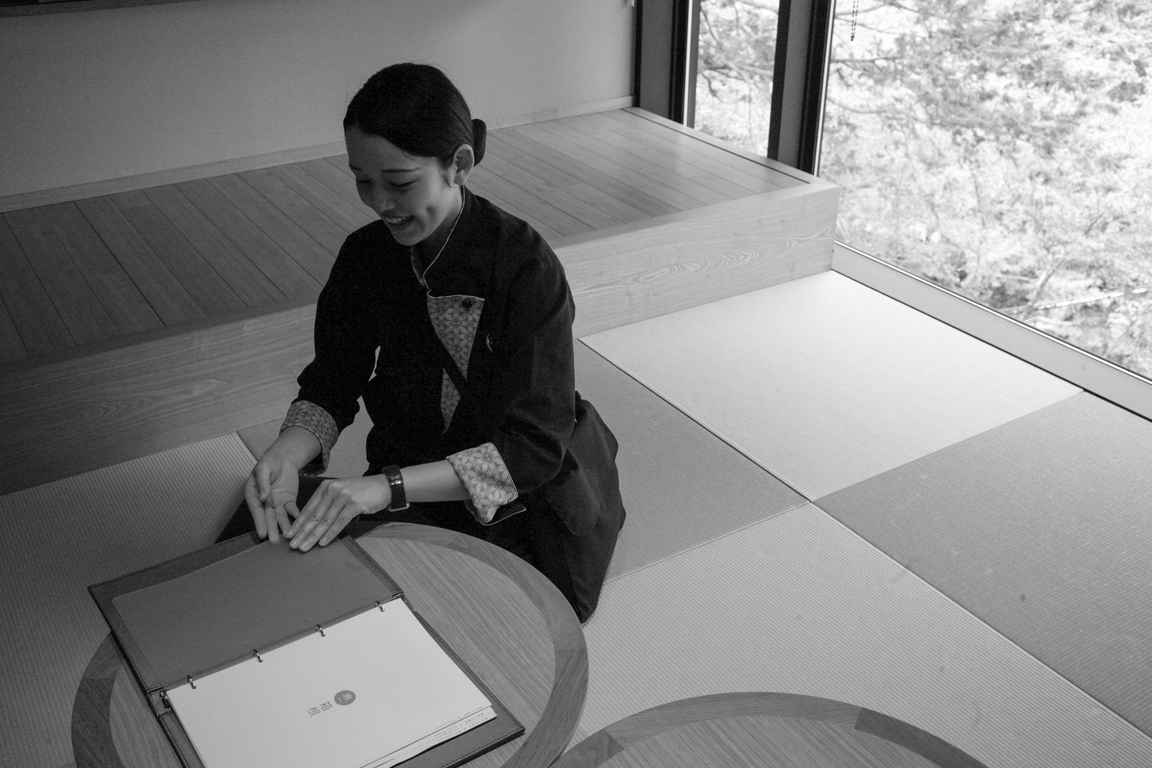
お部屋をご案内くださる方の言葉に耳を傾けながら、この空間に込められた物語を少しずつ知っていく。
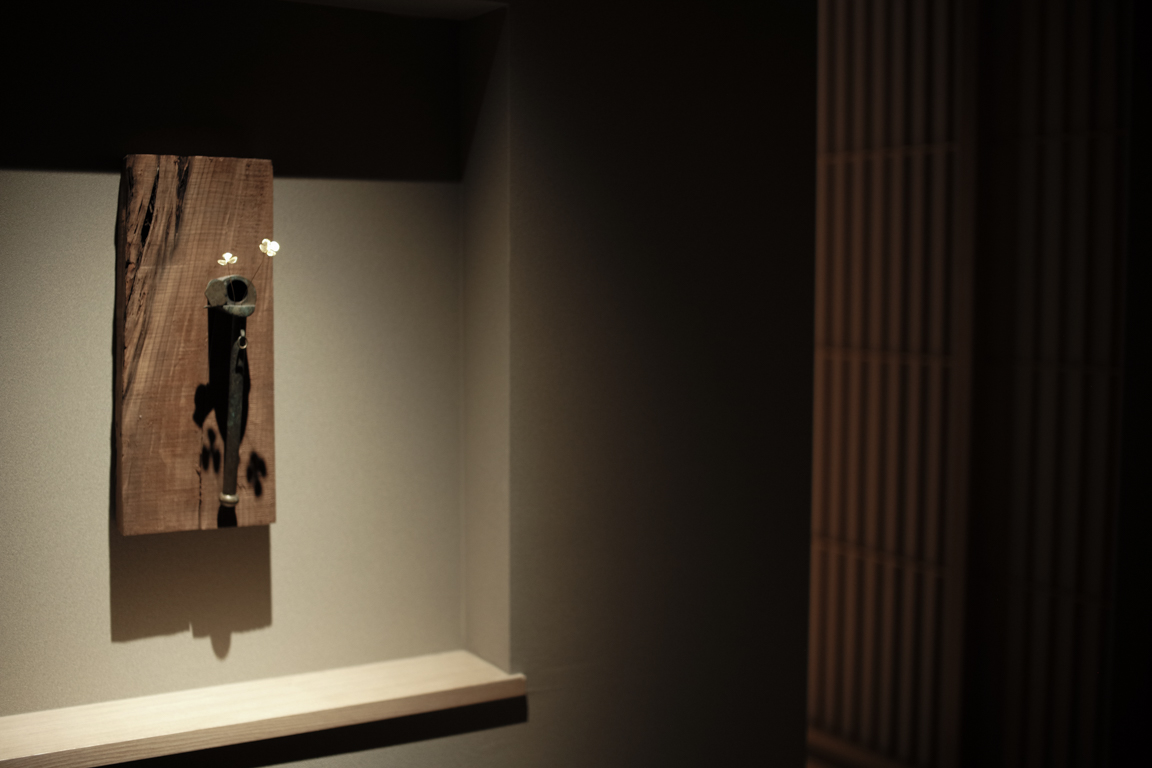
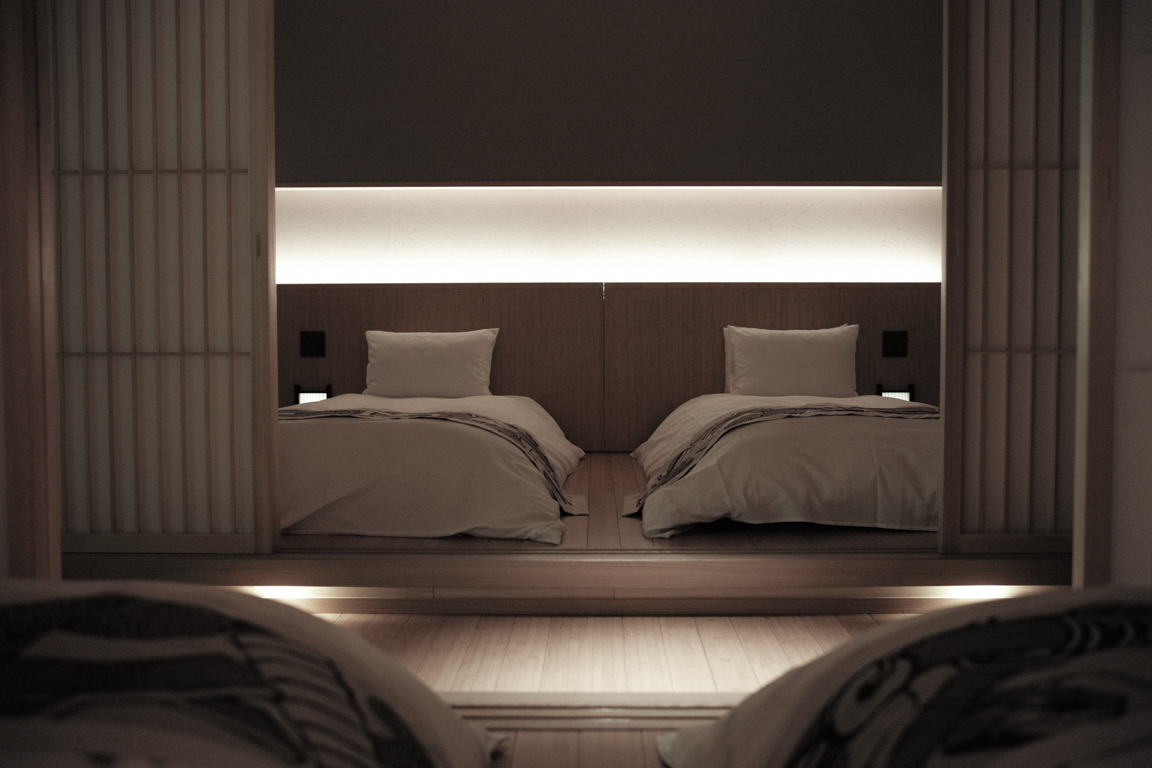
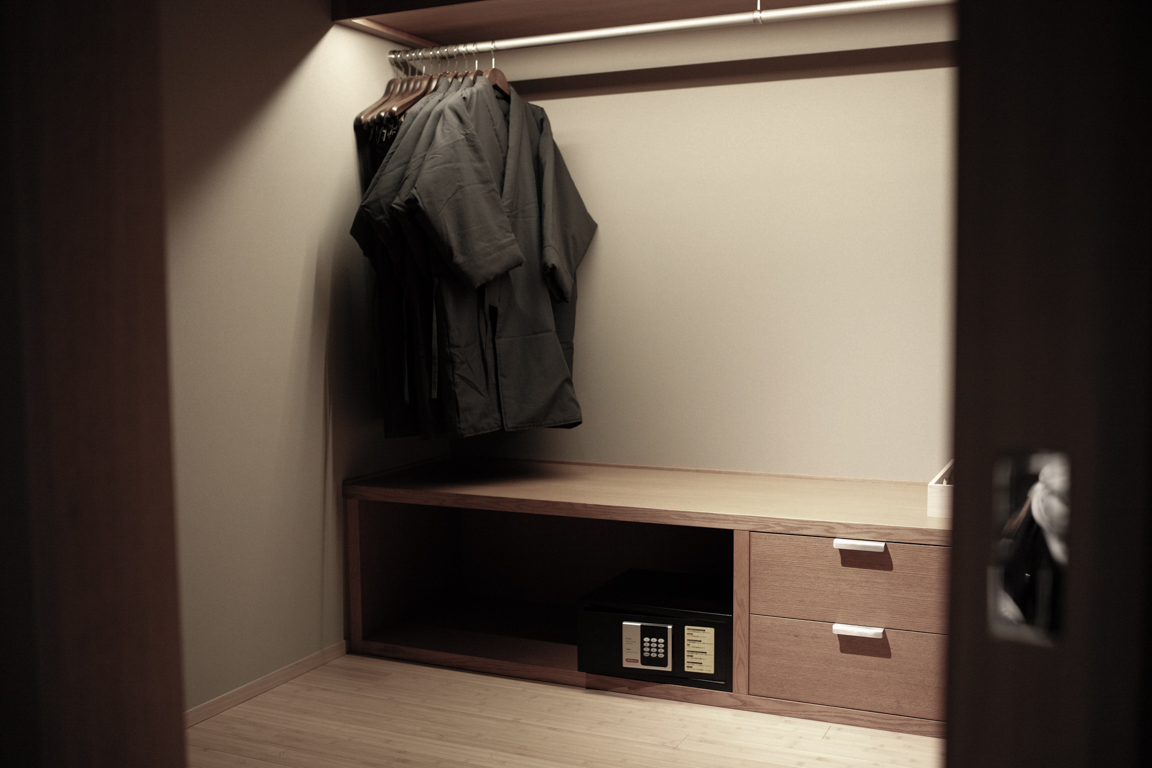
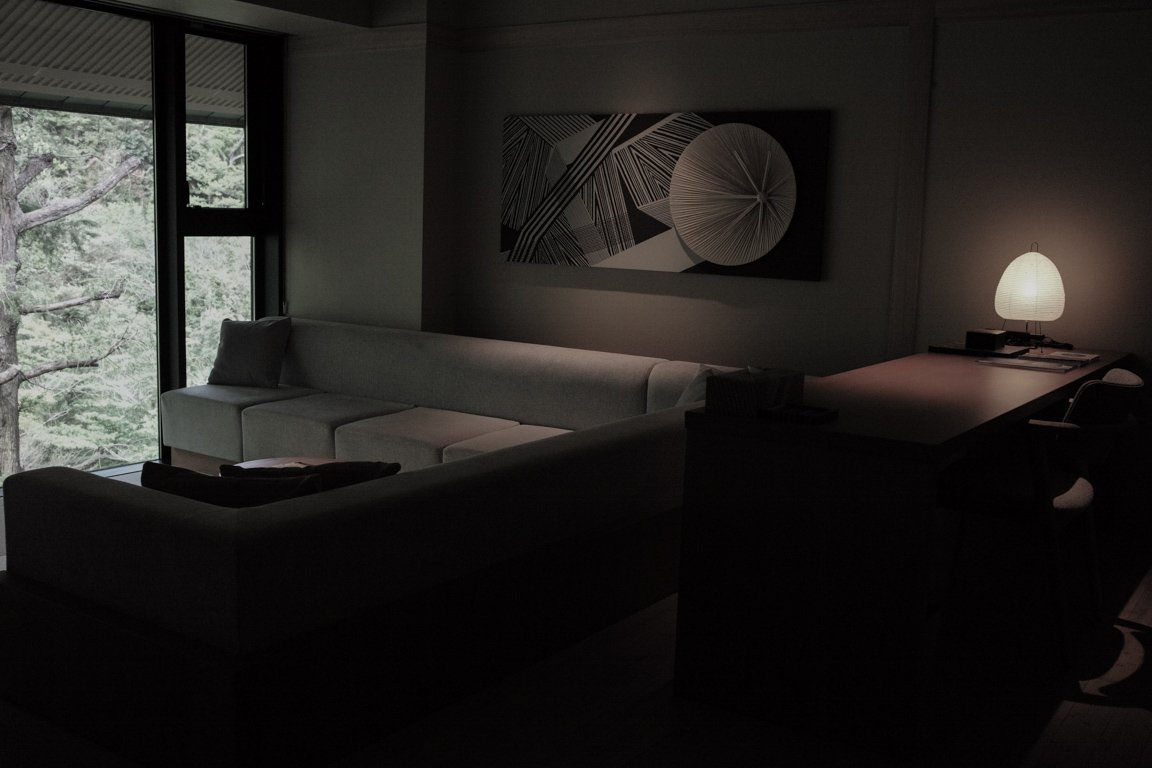
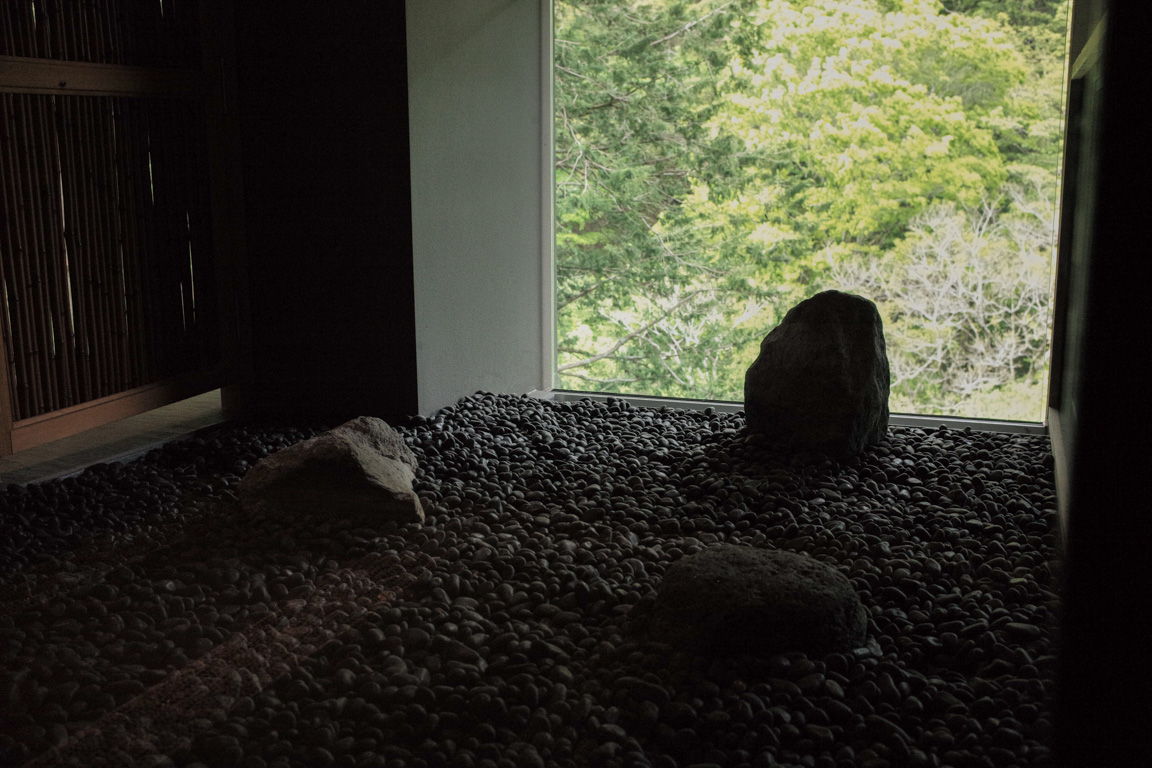
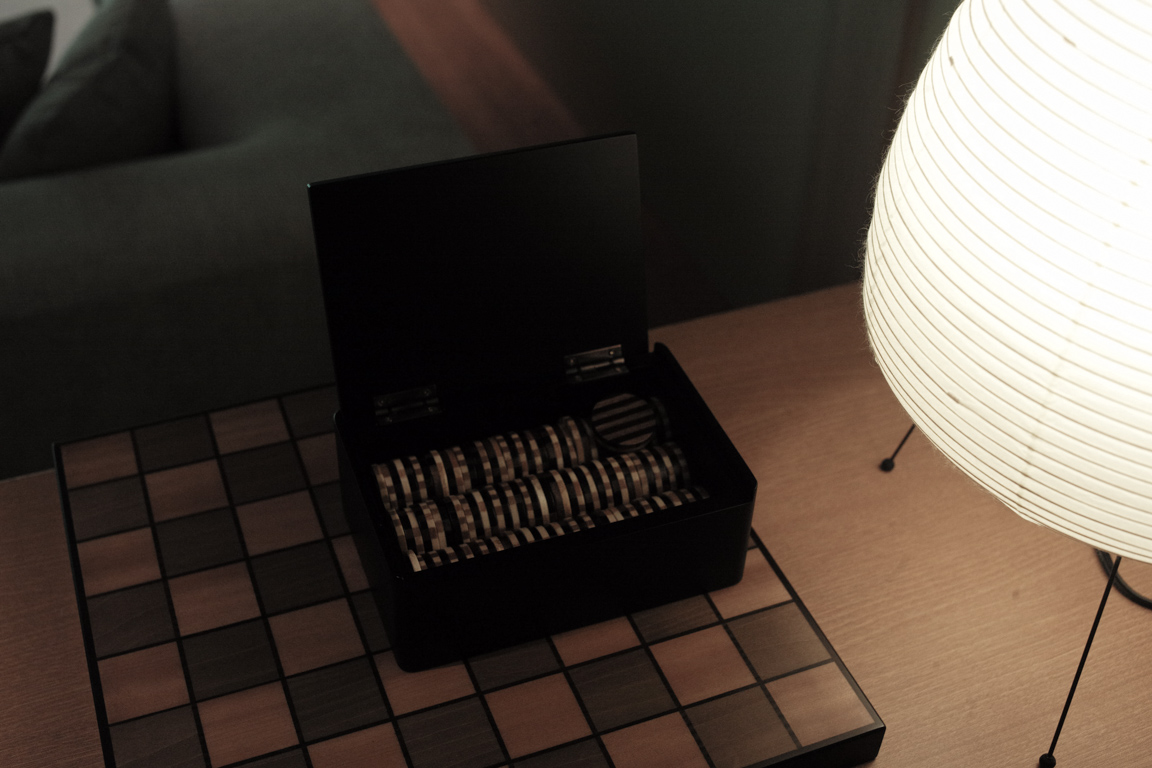
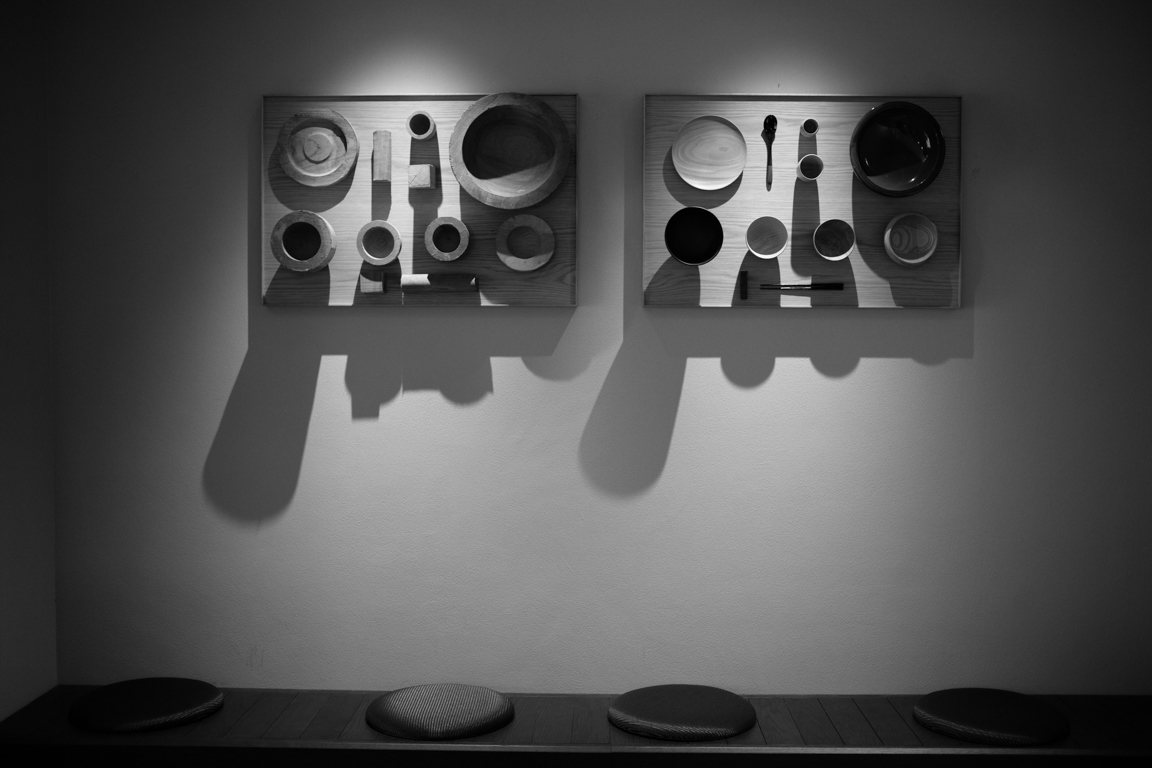
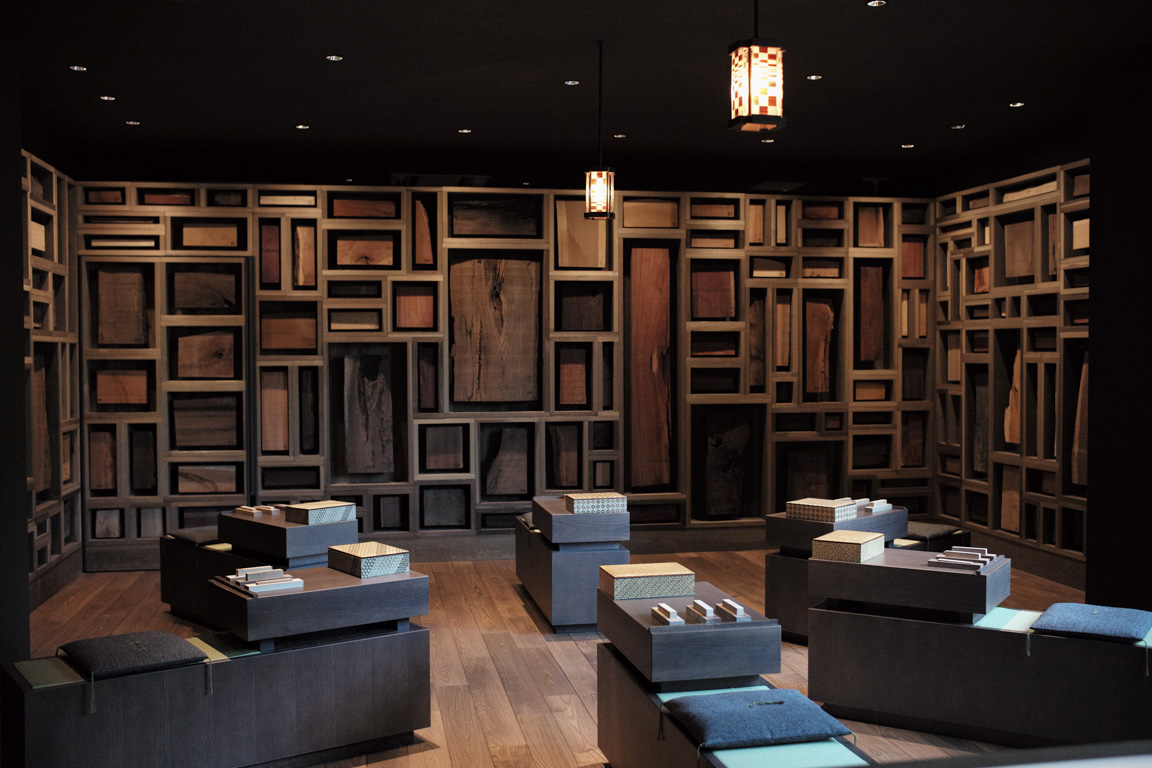
The guest rooms, known as Hakone Gokochi no Ma, quietly carry the memory of this land. Yosegi marquetry and art inspired by travellers’ tools are subtly woven throughout the space. In the suite with an open-air bath, there is a spacious living room and a quiet stone room to linger in after soaking. Whether spending time in conversation or simply resting alone in stillness, both feel naturally at home here. It felt like the kind of room that gently unravels something within you, simply by being there.
客室は「箱根ごこちの間」。
寄木細工や、旅人道具をモチーフにしたアート。
この土地の記憶が、
さりげなく空間に散りばめられている。
露天風呂付きのスイートでは、
広々としたリビングや、
湯上がりに静かに過ごす“石の間”も。
誰かと語らう時間も、
ただ一人で余白に浸る時間も、
どちらも自然に馴染んでいく。
そこにいるだけで、
少しずつ気持ちがほどけていくような部屋だった。
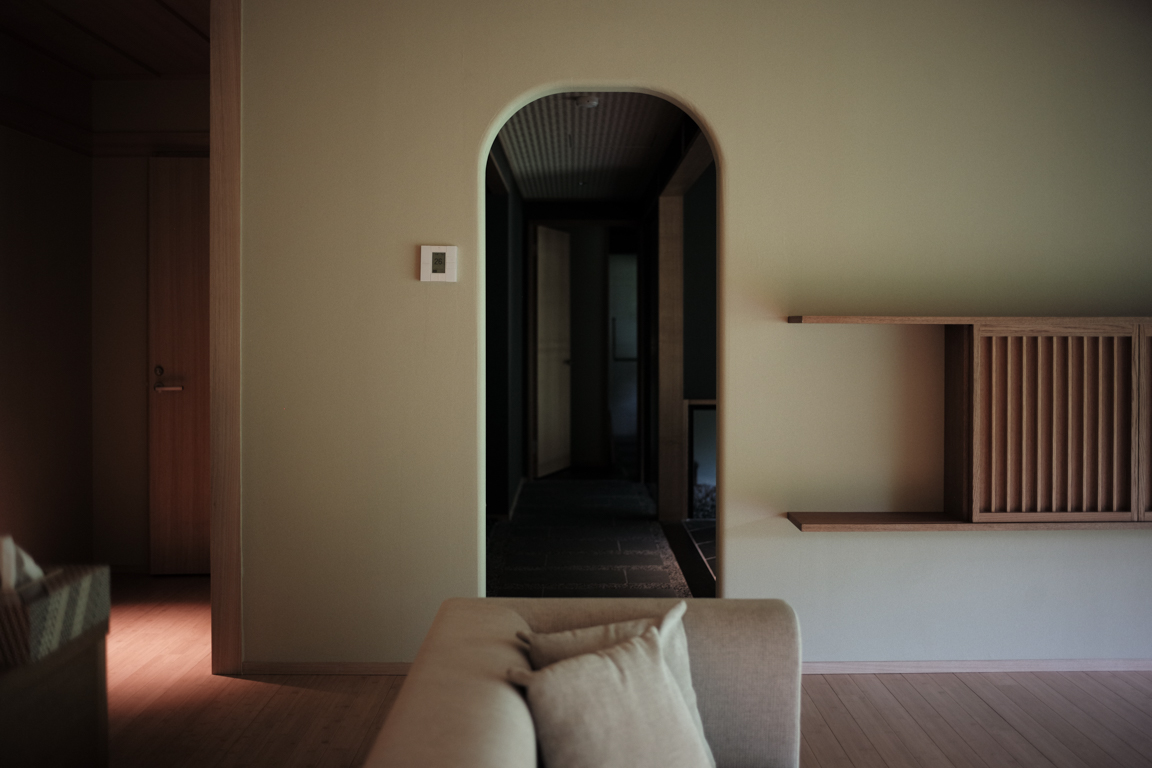
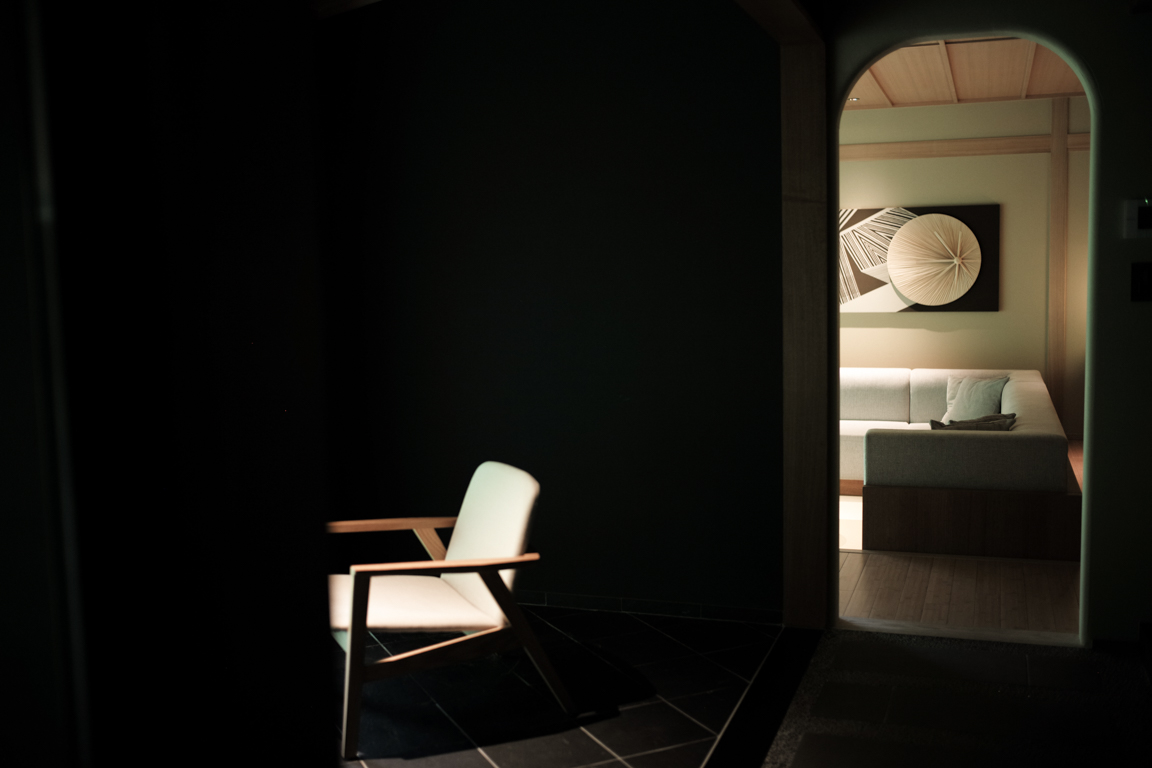
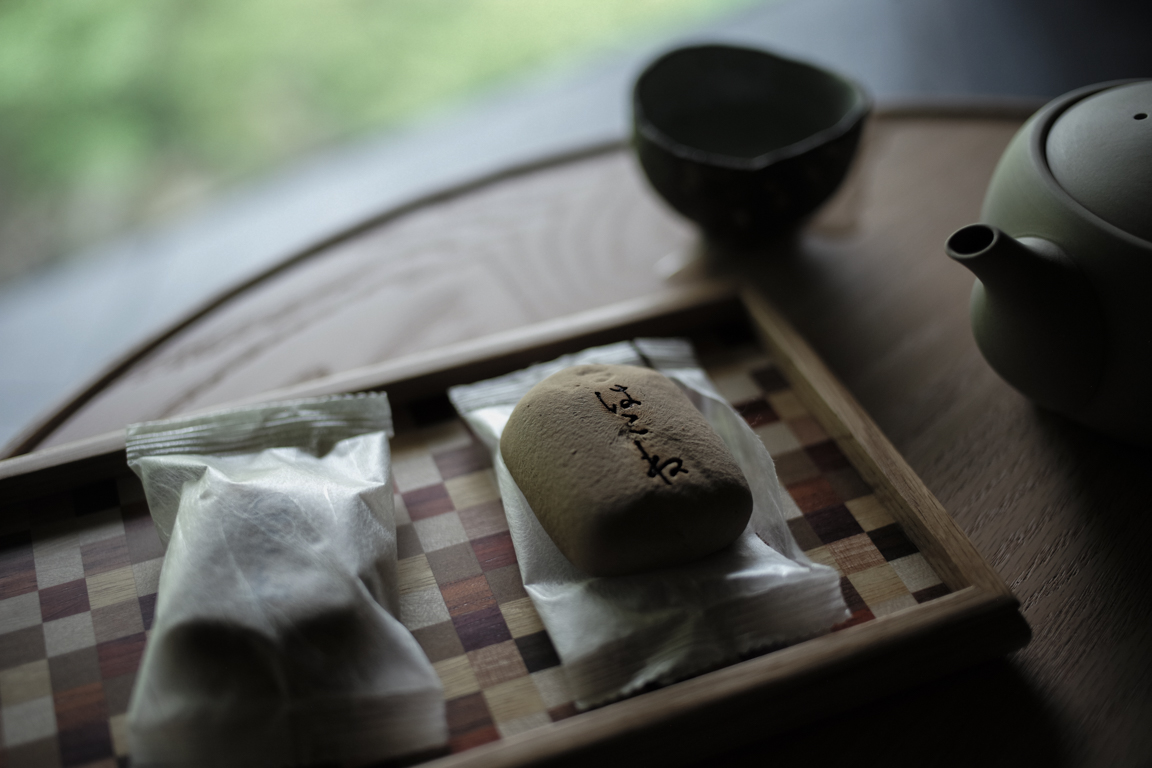
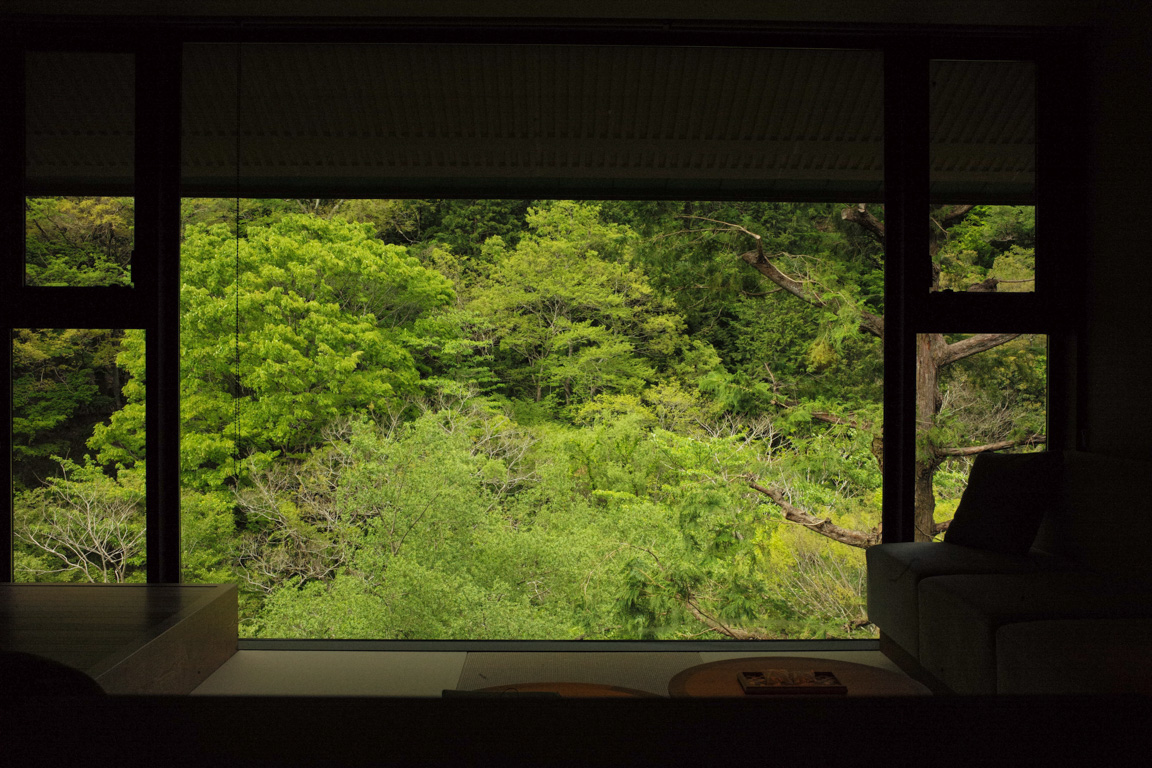
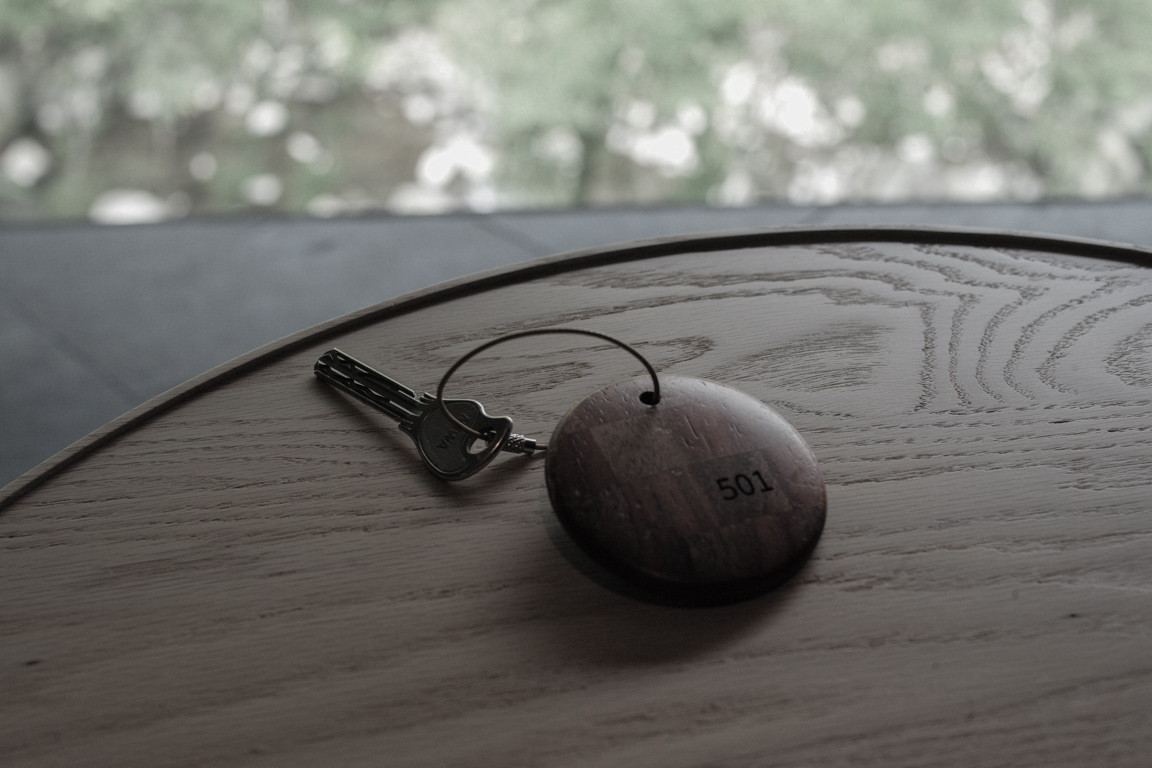
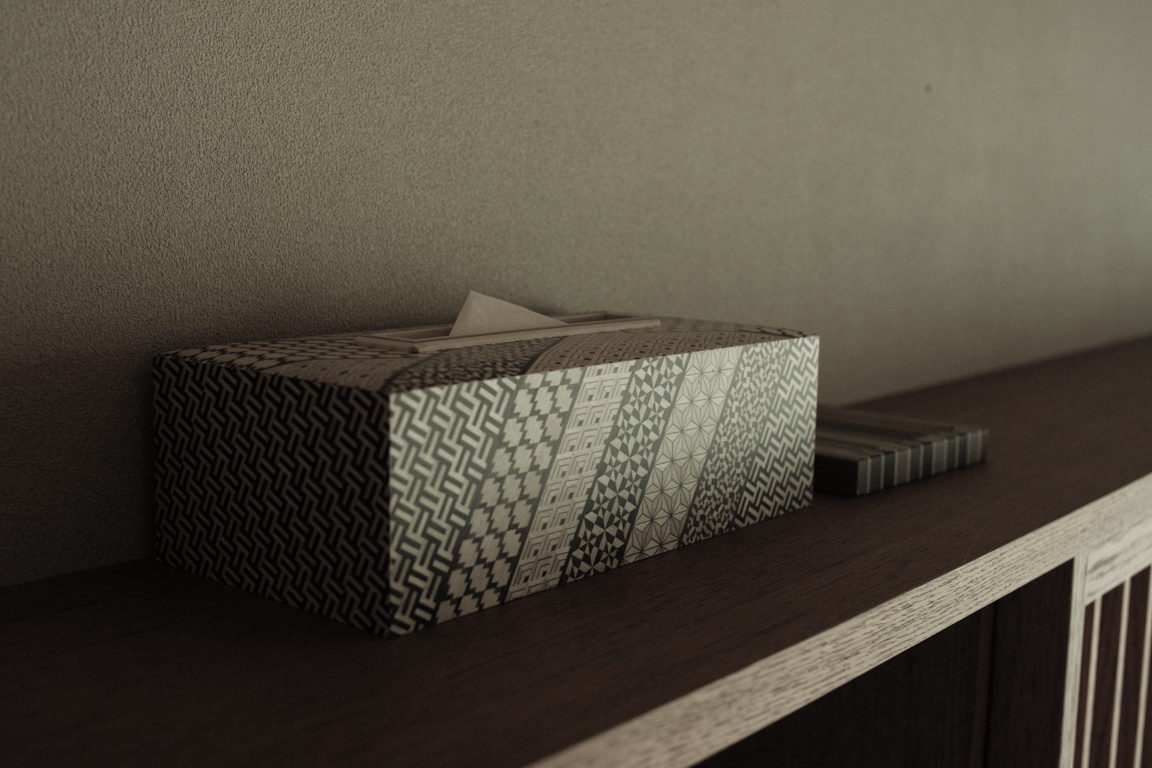
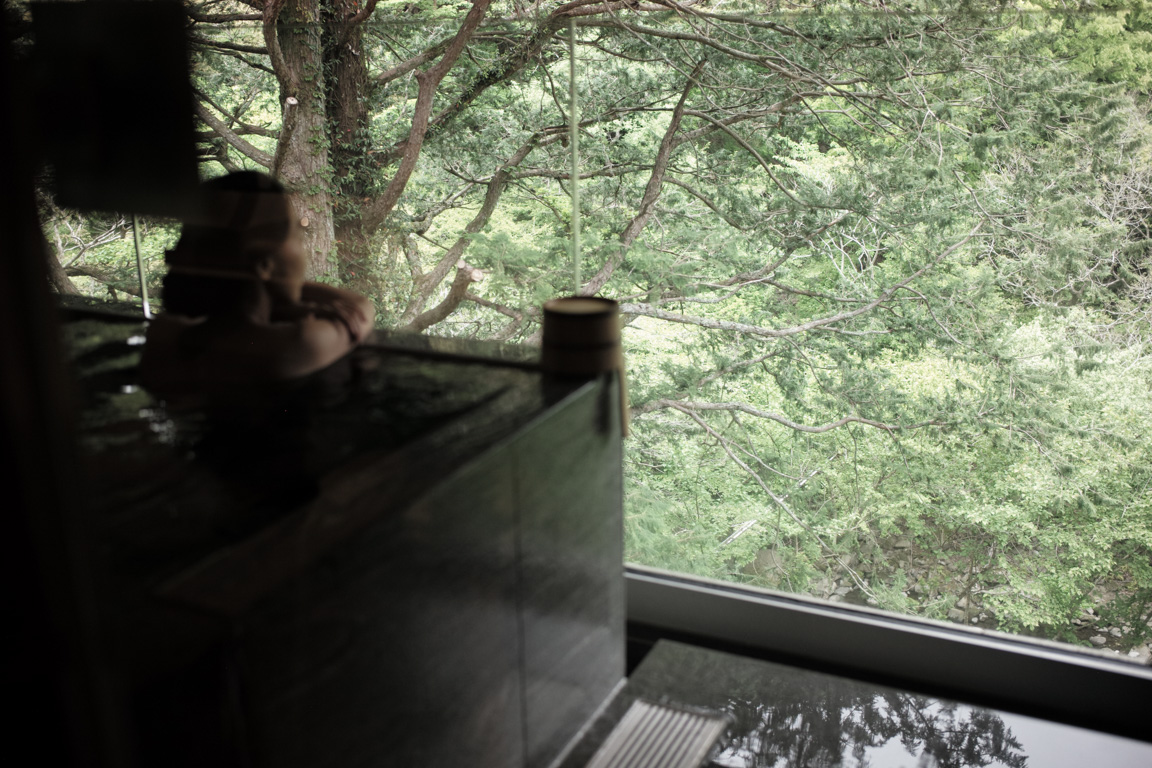
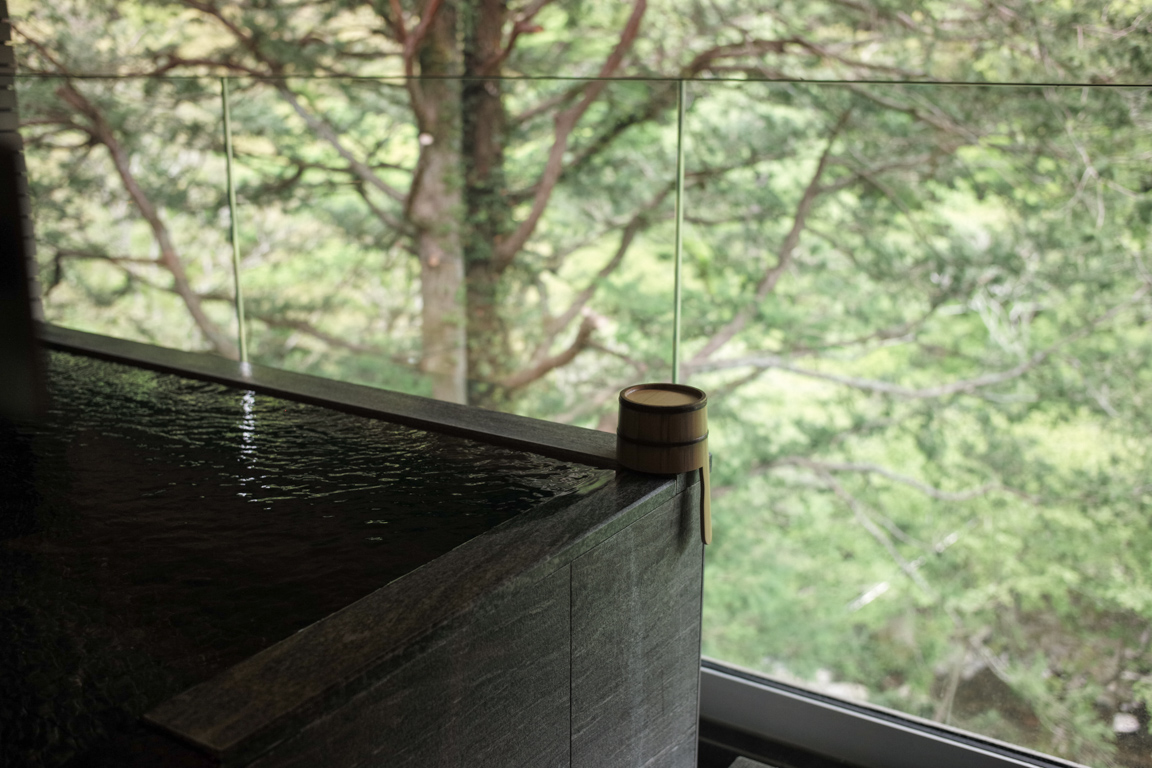
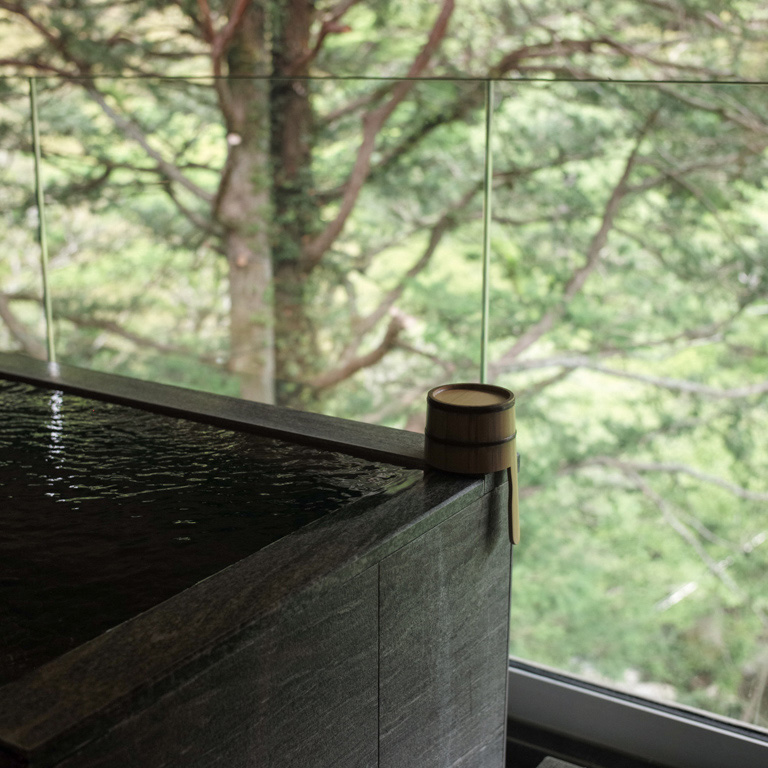
The open-air bath quietly overlooks the river, where the sound of flowing water becomes part of the stillness.
露天風呂からは川を見渡し、絶えず流れる水音までもが、静けさの一部になっていく。
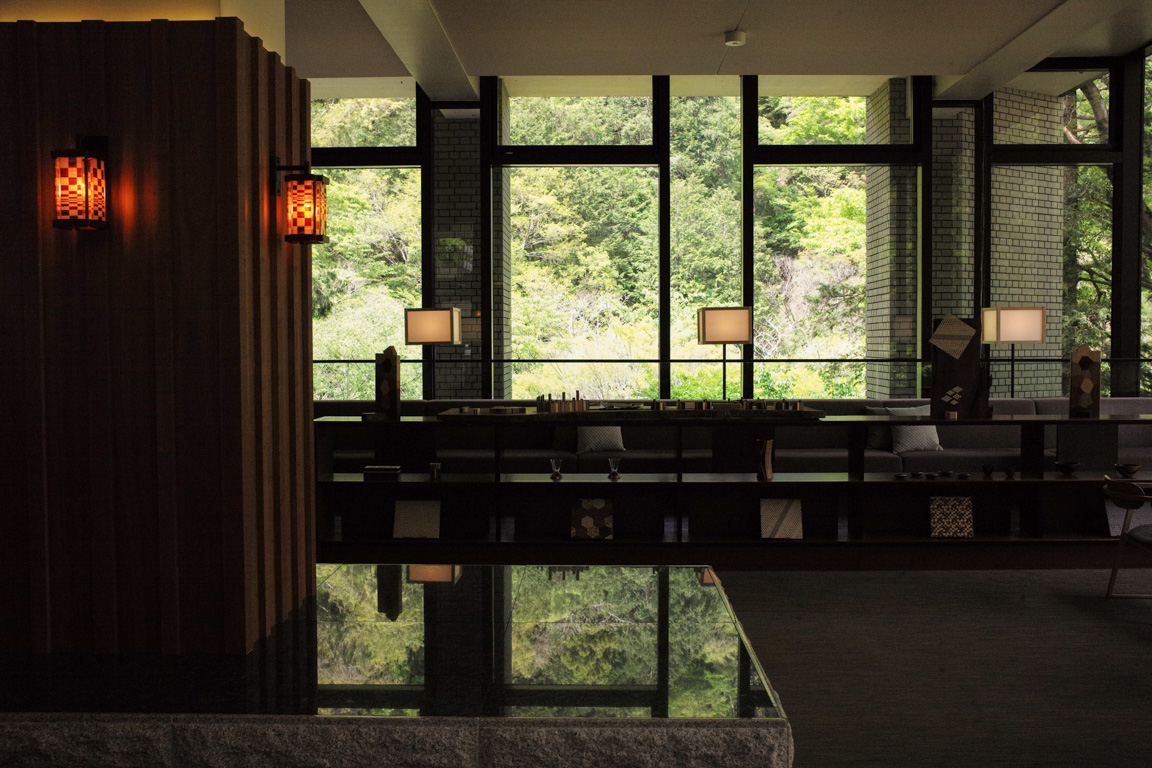
drawn to the travel library
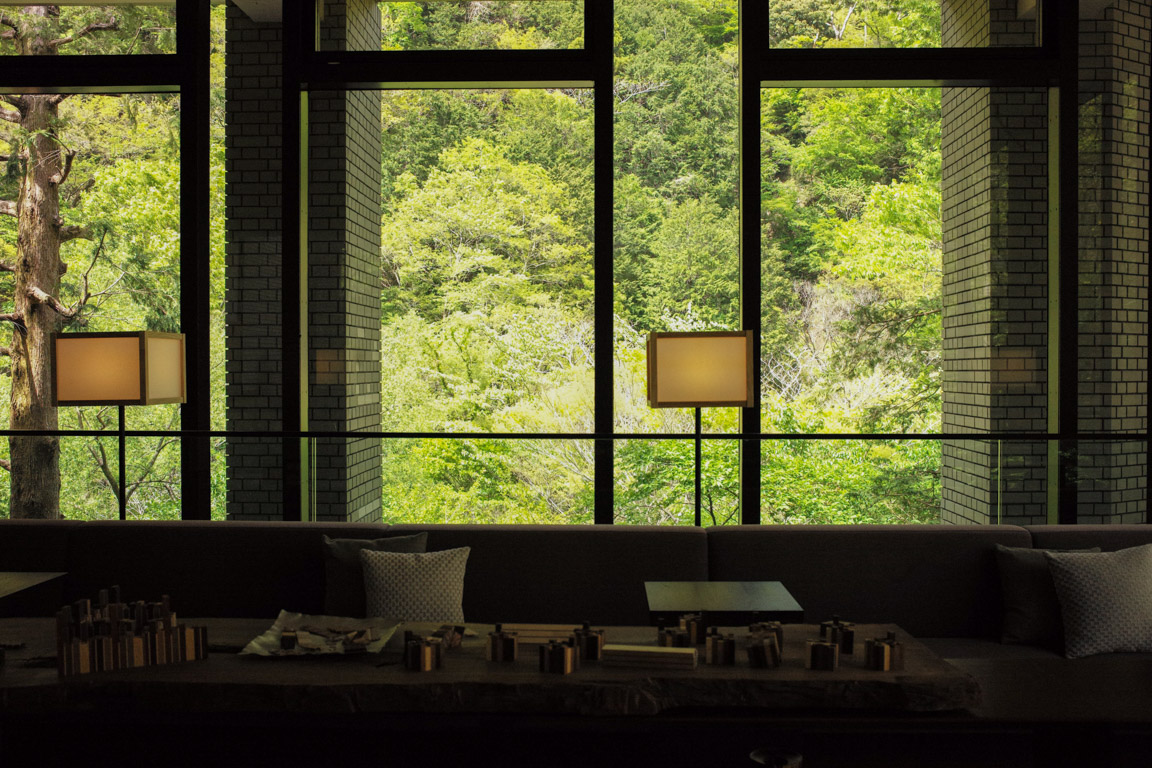
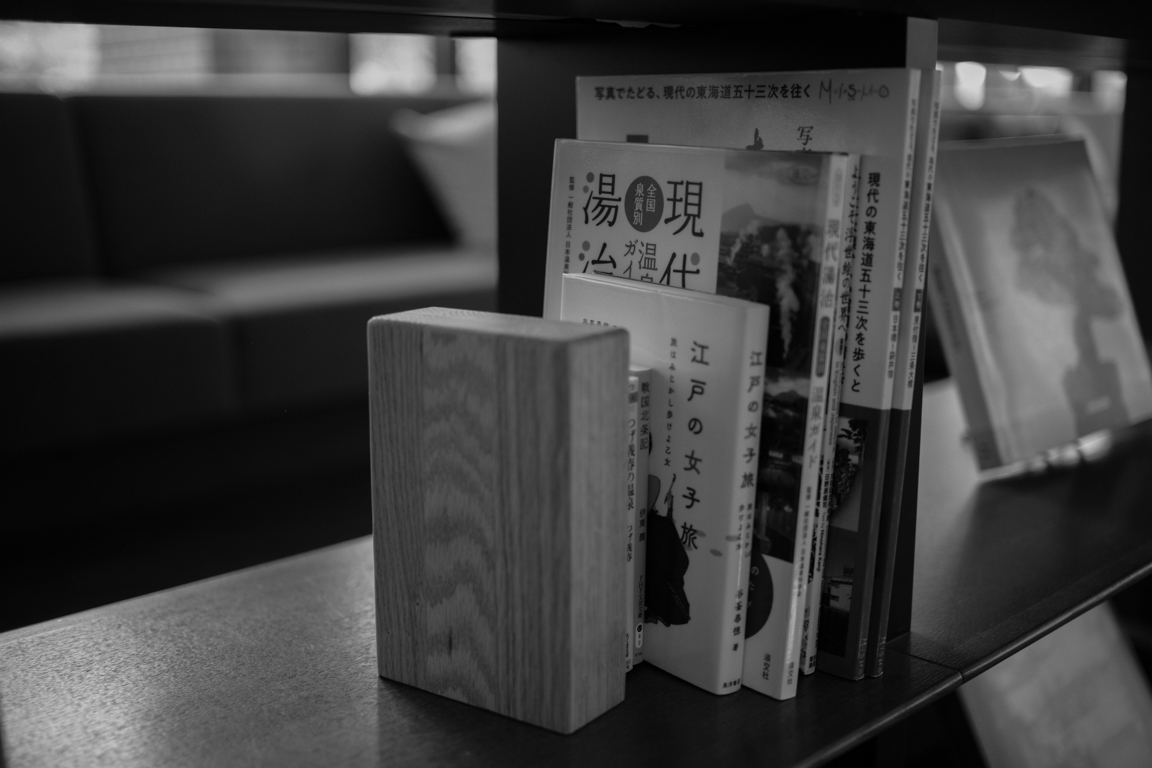
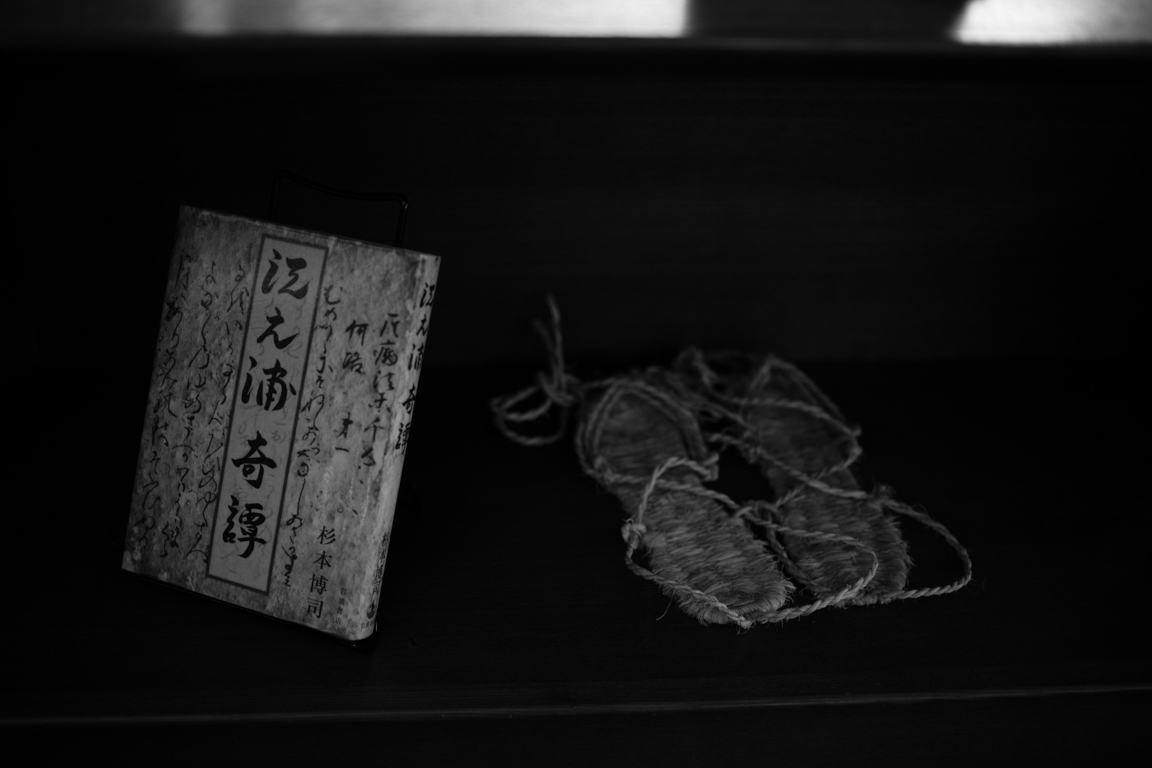
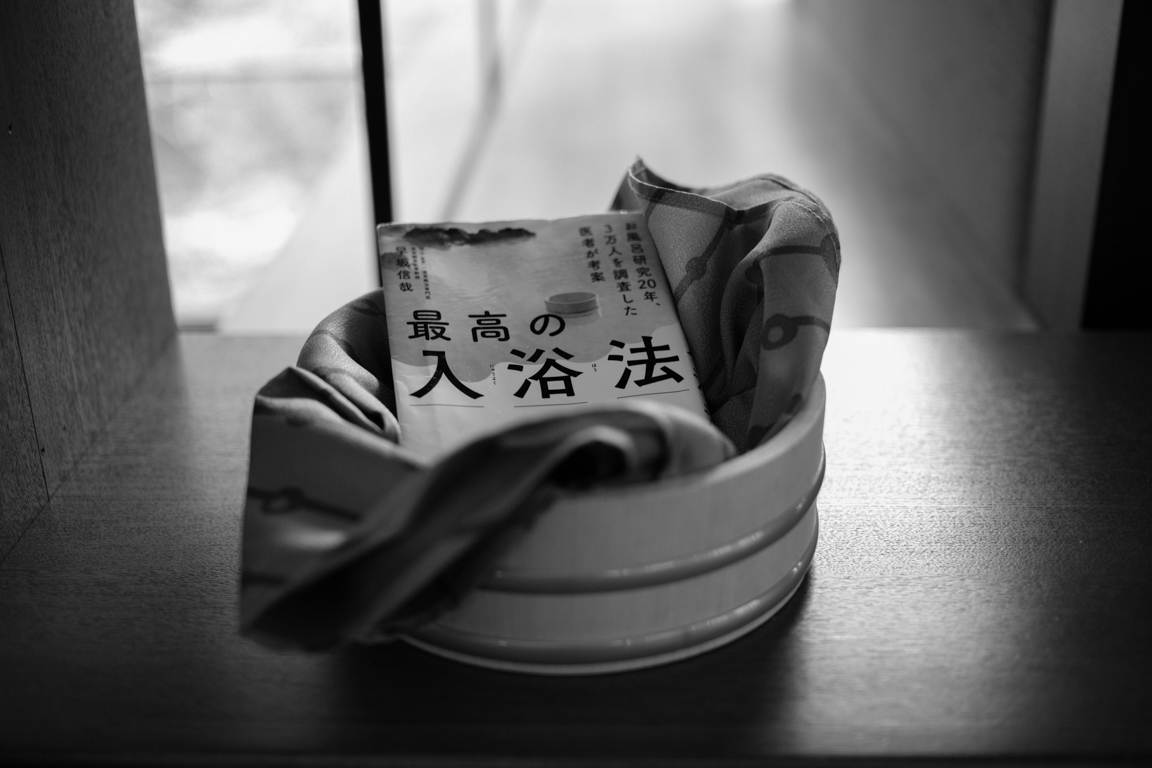
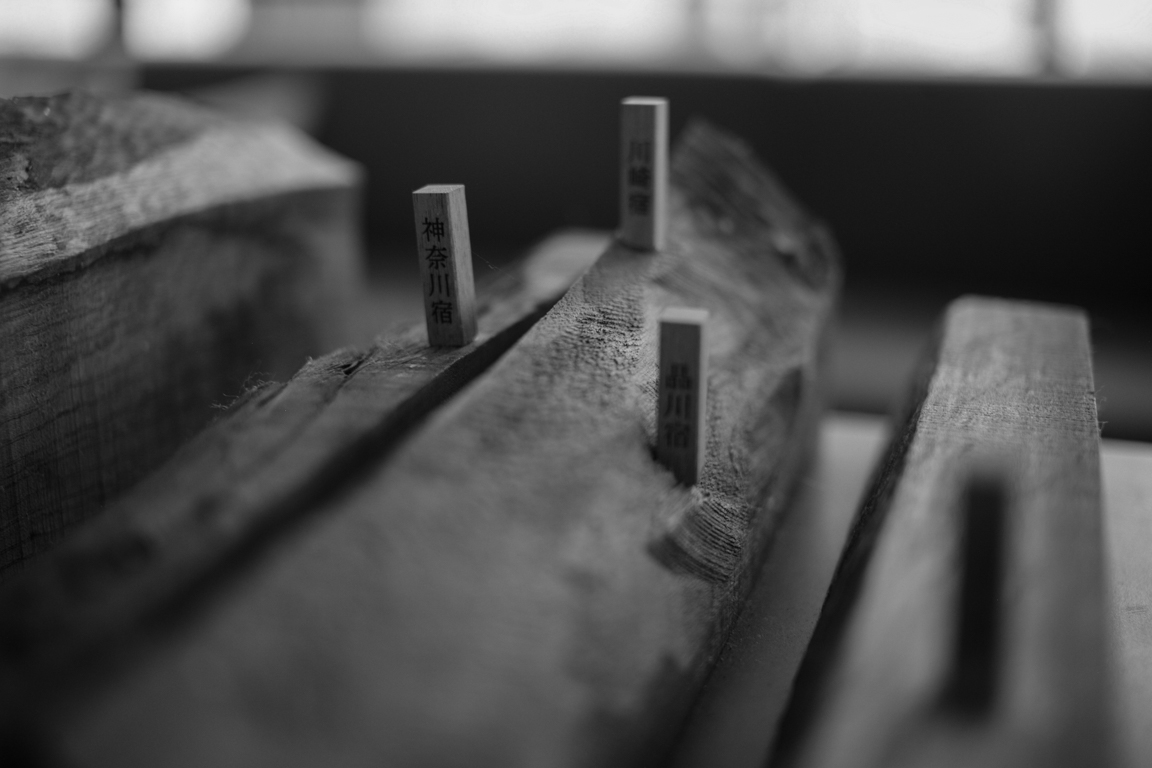
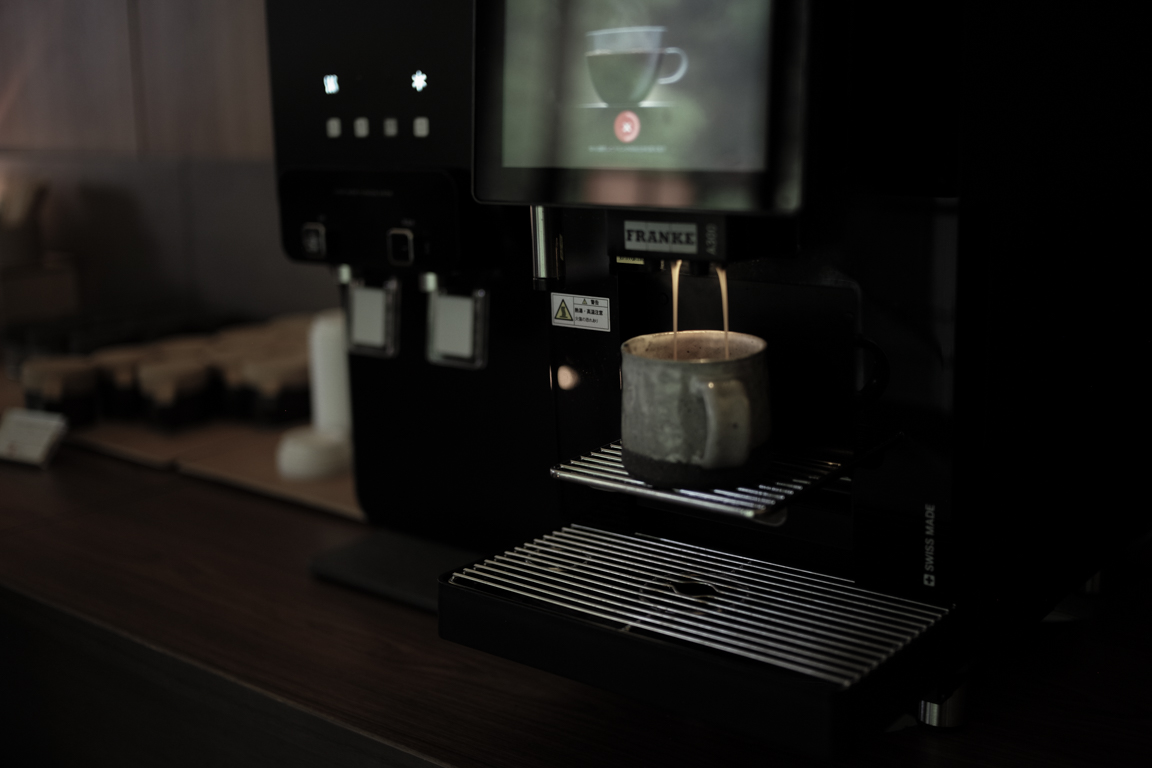
At some point during the stay, you find yourself naturally drawn to the travel library. Stories of Hakone — its history, nature, craftsmanship, and the quiet narratives held within this land. Turning pages with a coffee in hand feels different from sightseeing; it feels more like quietly moving a little closer to the spirit of the place itself.
滞在の途中、
ふと立ち寄りたくなるのがトラベルライブラリー。
箱根の歴史、自然、工芸、
この土地にまつわる物語。
コーヒーを片手にページをめくる時間は、
ただ観光するのとは違う、
“土地と少し近づく”感覚がある。
Sawa Chaya
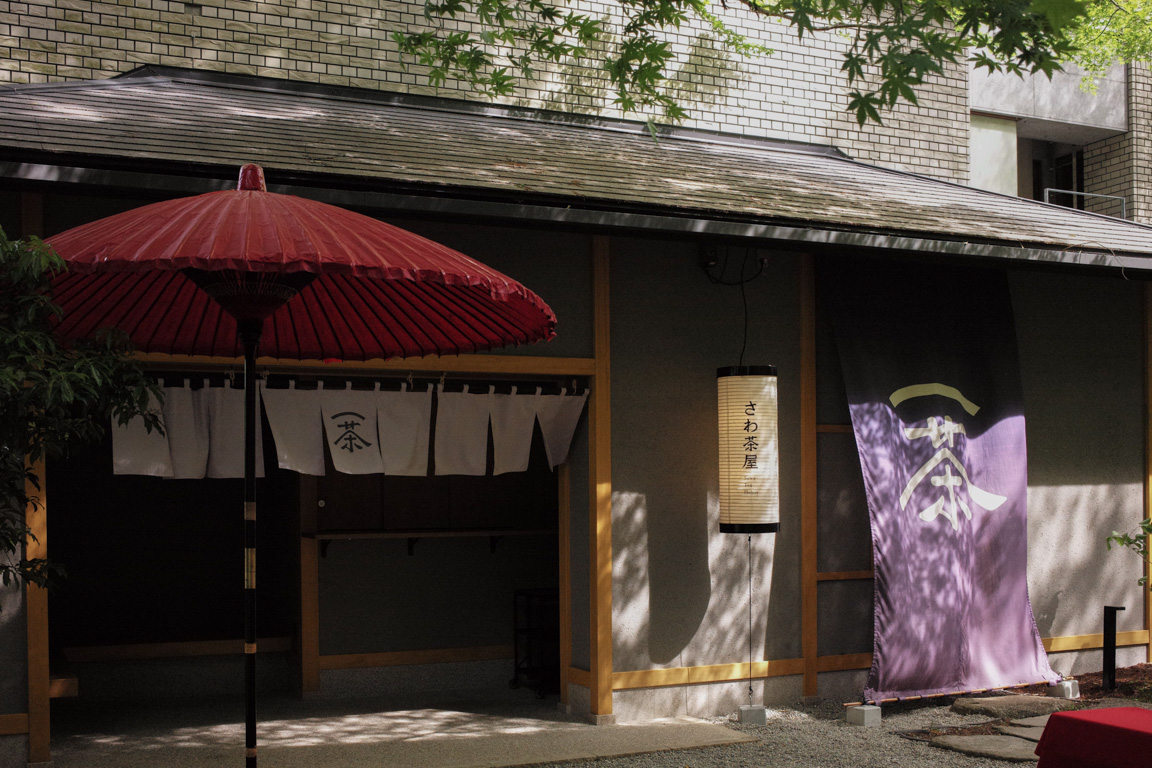
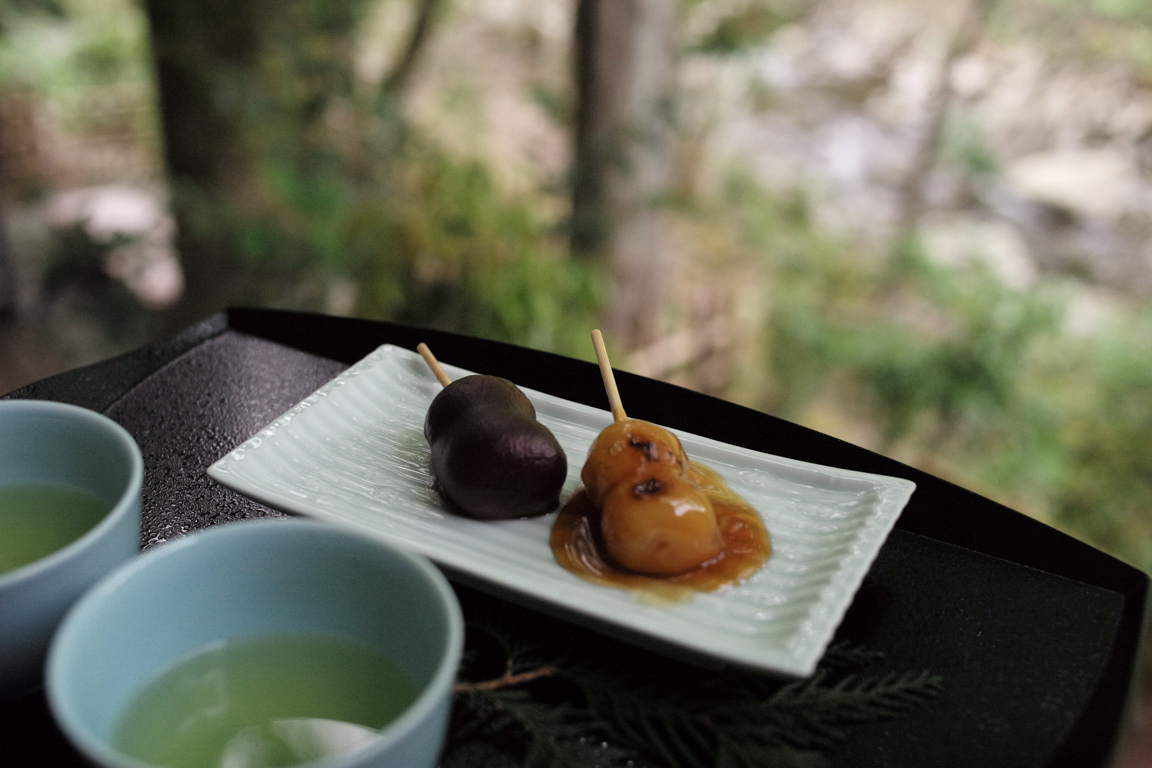
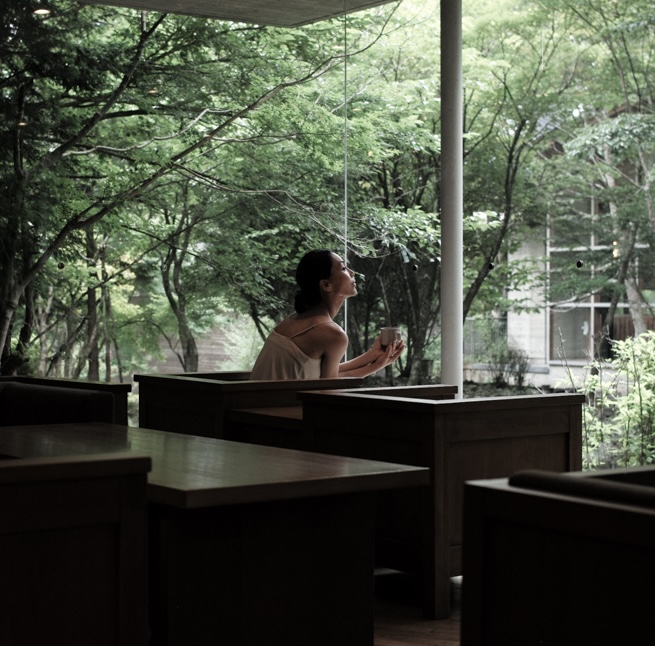
One of the most memorable places at KAI Hakone was Sawa Chaya, quietly resting within the courtyard. Watched over by a great maple tree, you begin to notice the sound of the river, the rustling leaves, birdsong, and the soft hum of nature all around. There remains something of the old teahouse culture here — traces of the resting places where travelers once paused to recover from the road. During the day, dango and green tea are served. Sitting quietly by the riverside, there is nothing to do but surrender to the passing of time.
そして、界 箱根で特に印象深かったのが、
中庭に佇む「さわ茶屋」。
大きなもみじに見守られながら、
川のせせらぎ、木々の音、鳥の声に耳を澄ませる。
そこには、昔の旅人たちが
道中の疲れを癒した「茶屋文化」の面影が残っていた。
昼には、お団子と緑茶。
川沿いに腰掛けながら、
ただ流れる時間を味わう。
Onsen
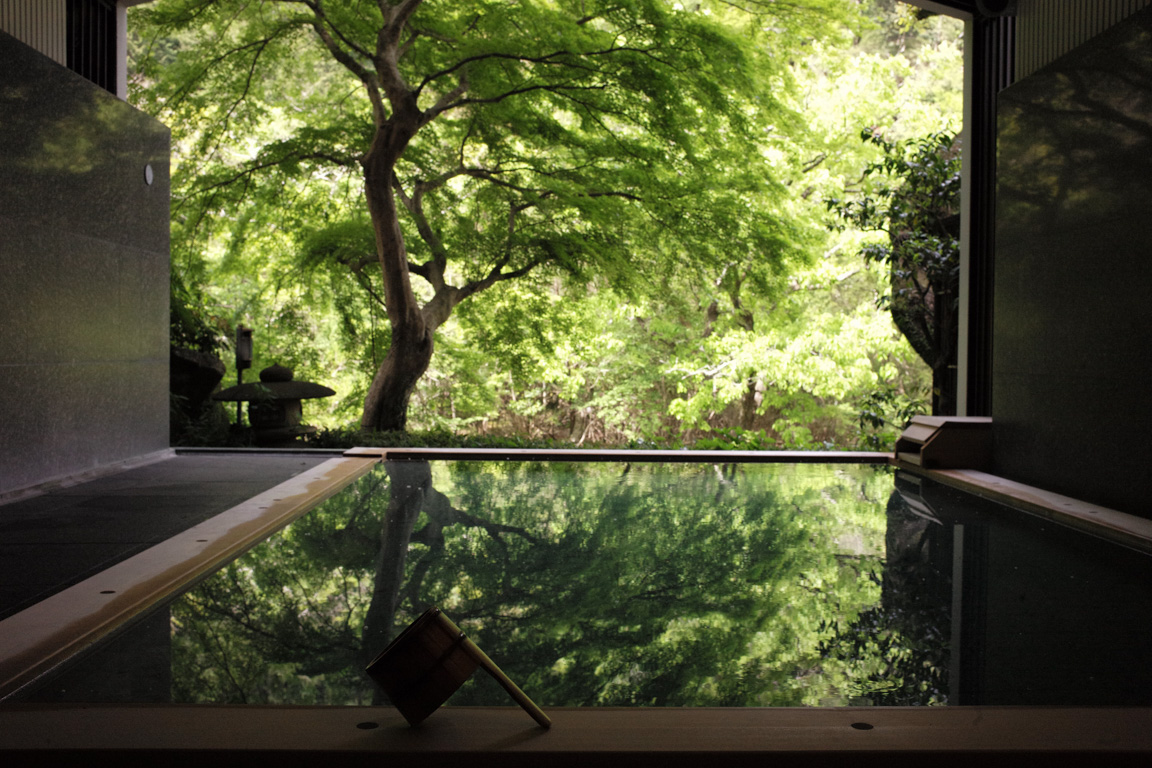
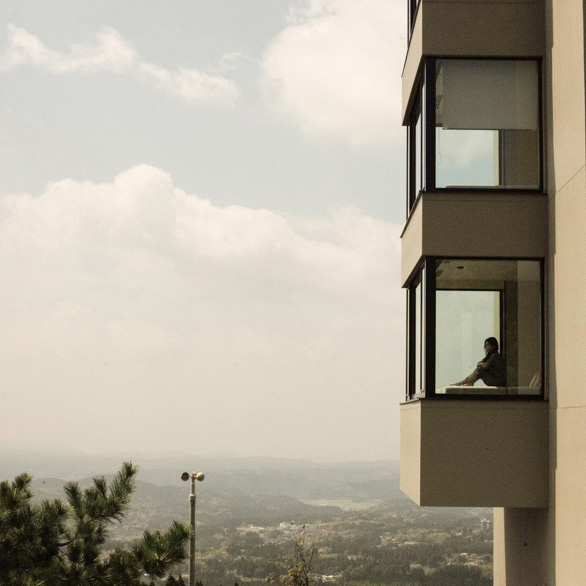
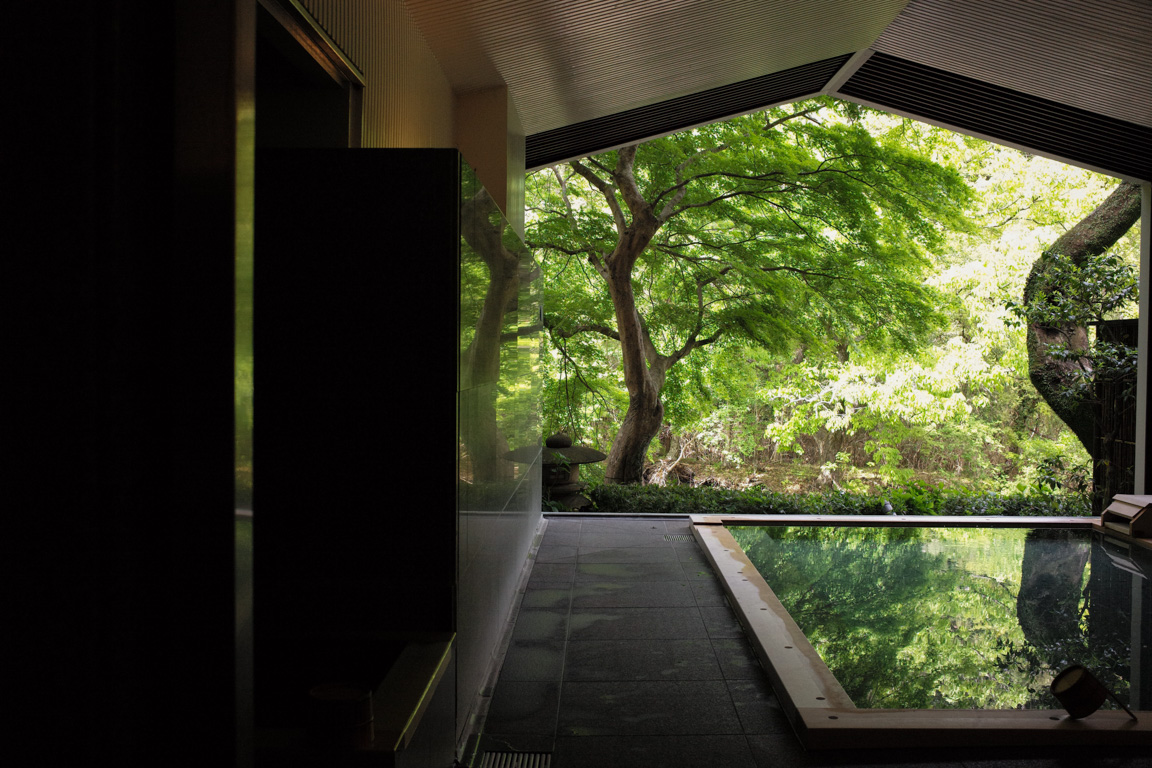
The onsen feels like a living frame reflecting the changing seasons of Hakone. Before you stands Mount Yusaka, while below, the Sukumo River quietly flows. Within the openness of the semi-open-air bath, scenery and water seem to dissolve into one another. Though you are simply soaking, the thoughts you had been carrying somehow begin to gently loosen, little by little.
温泉は、箱根の四季を額縁のように映す半露天風呂。
目の前には湯坂山、
眼下には須雲川。
壁一面が開かれた空間の中で、
景色と湯がゆるやかに溶け合っていく。
ただ浸かっているだけなのに、
考えすぎていたものが、
少しずつほどけていくようだった。
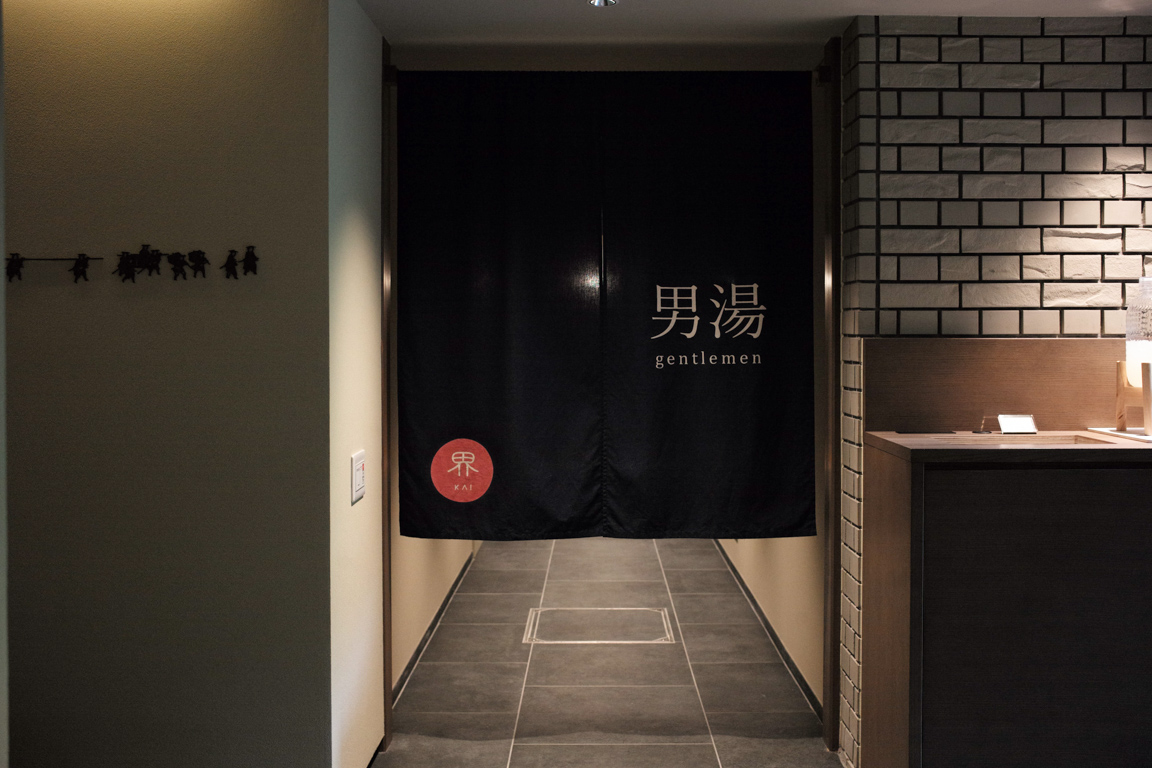
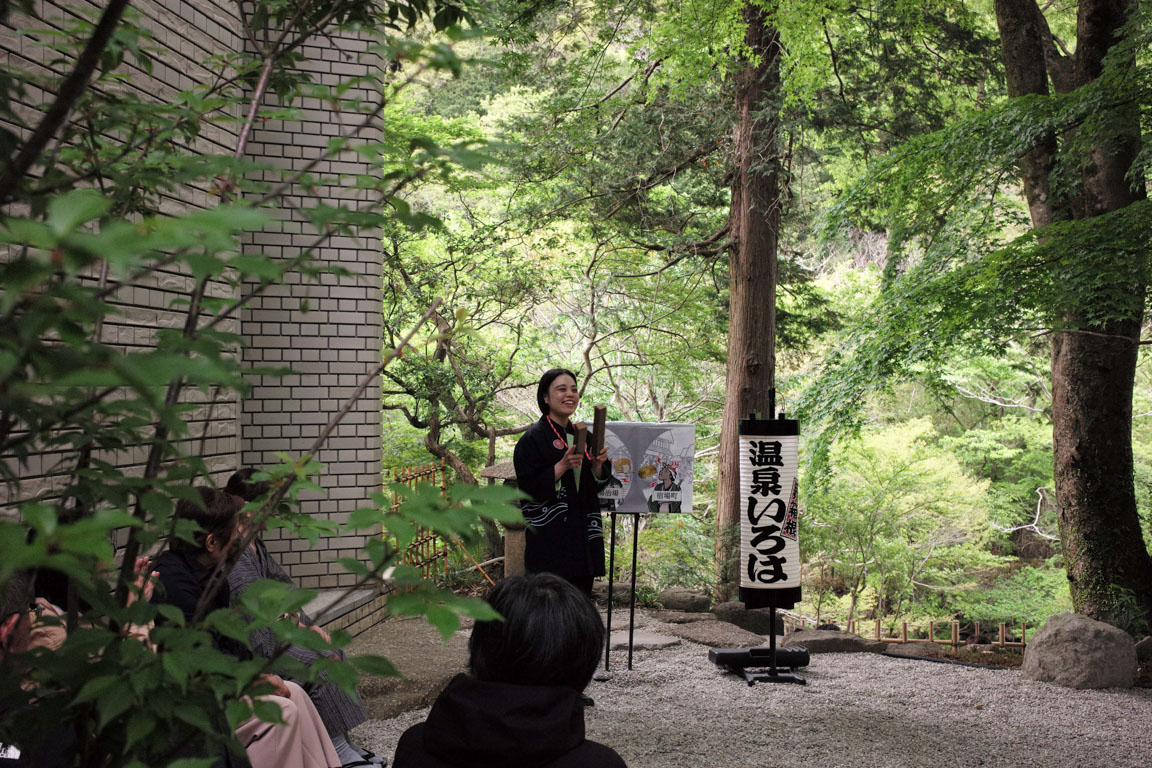
There is also Onsen Culture Iroha, a quiet session with the bath master where you learn about the history and mineral qualities of Hakone Yumoto Onsen, along with more mindful ways to enjoy the springs. It becomes not only about entering the water, but about understanding and receiving it. Somehow, even this gentle learning deepens the stay.
湯守りの方から、
箱根湯本温泉の歴史や泉質、
より良い入り方を学ぶ「温泉文化いろは」の時間も。
ただ入るだけではなく、
温泉を知り、受け取る。
そんな静かな学びも、
この滞在を深めてくれる。
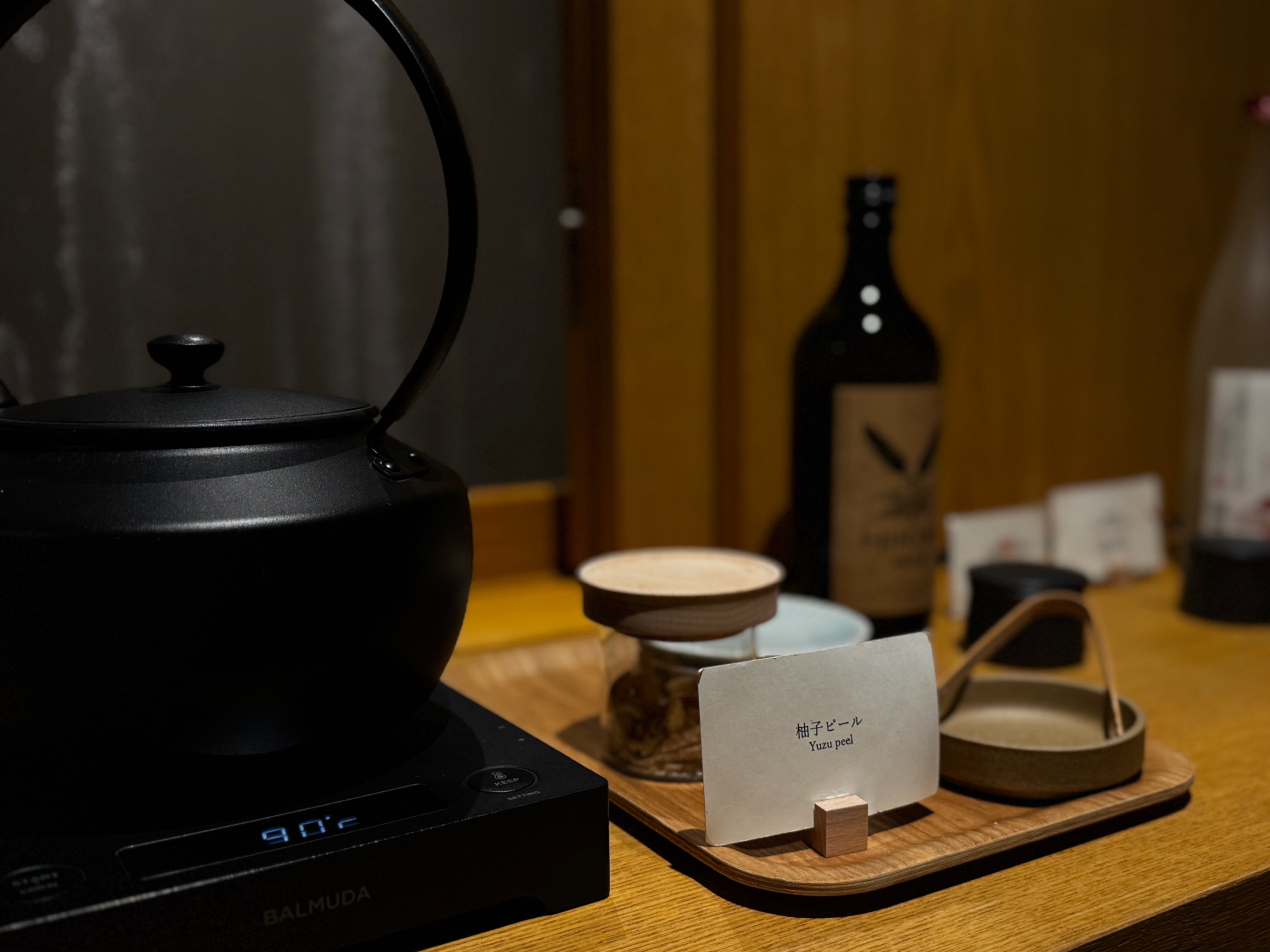
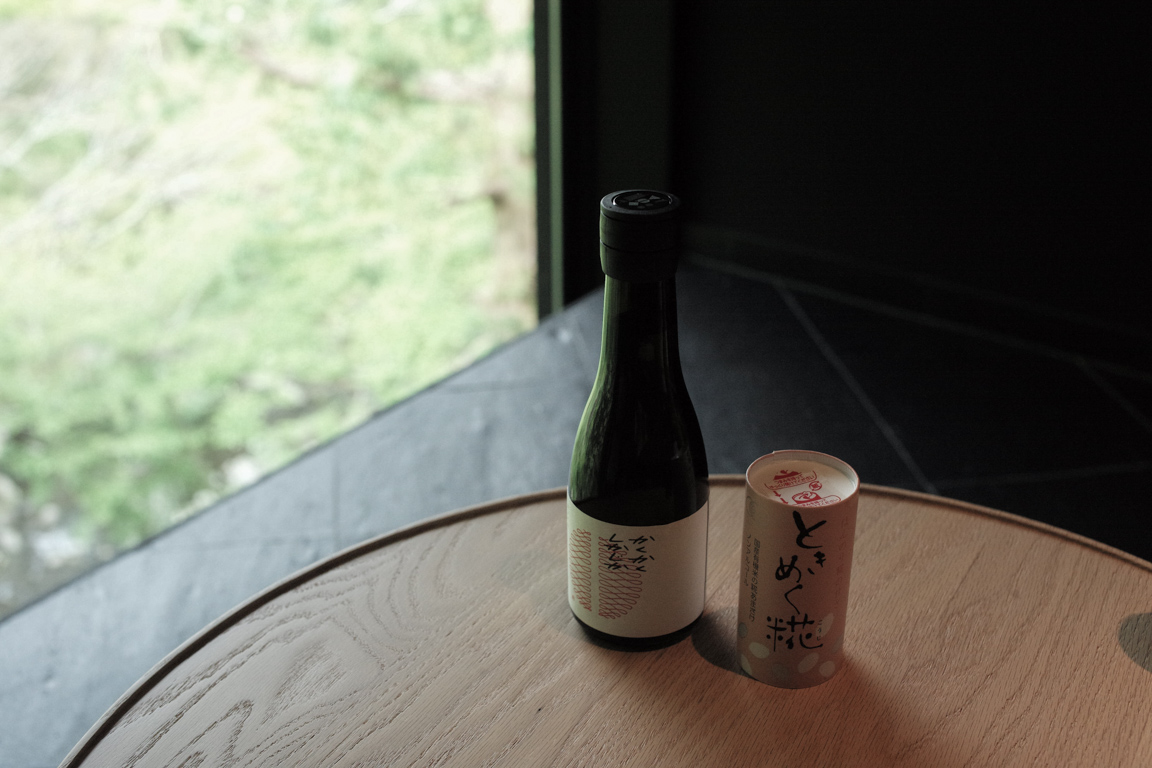
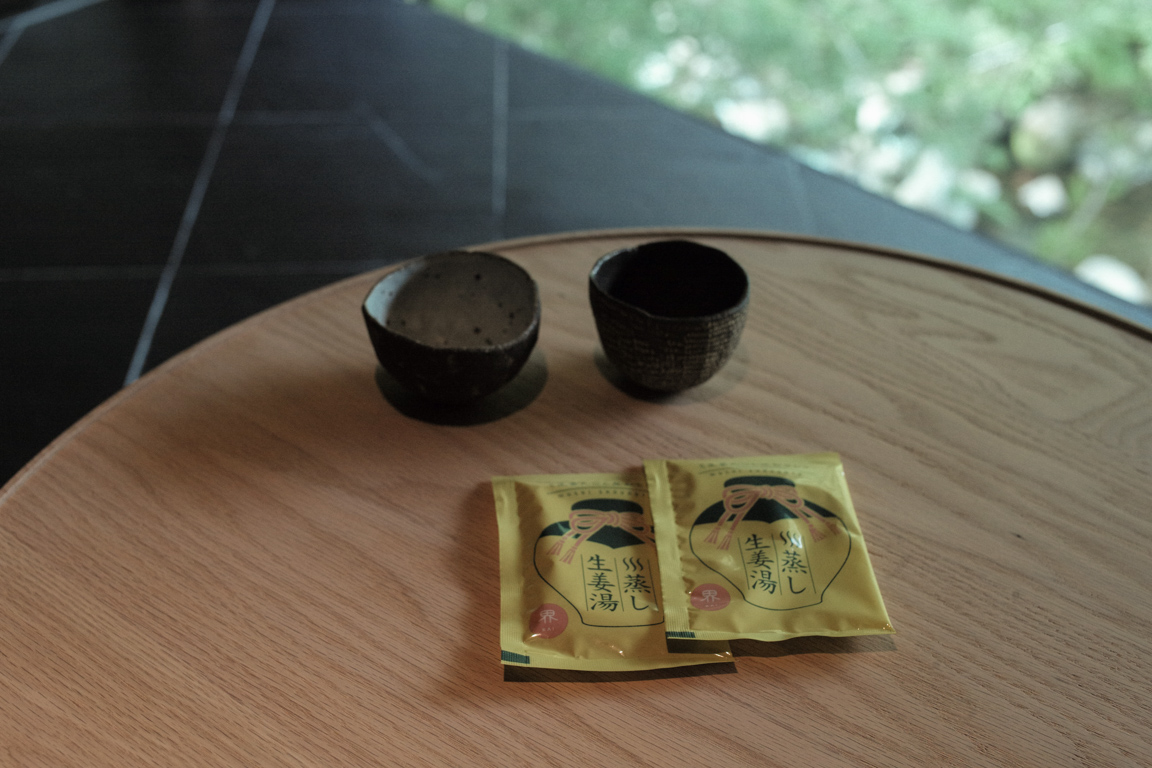
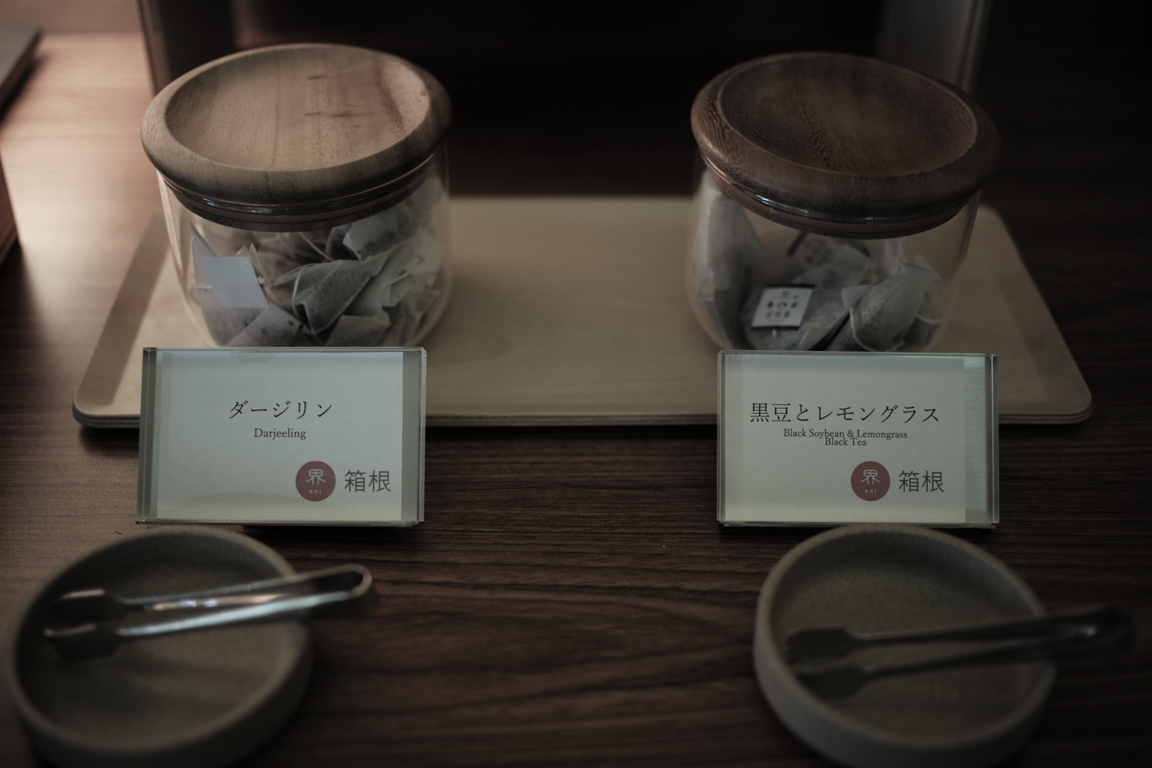
As evening arrives, herbal tea and shochu quietly take their place, while the atmosphere of nature slowly shifts around you. It was the kind of place you naturally found yourself wanting to return to, again and again.
夜になると、ハーブティーや焼酎へと移ろい、
自然の表情もまた静かに変わっていく。
何度でも戻りたくなる場所だった。
Meiji Gyunabe
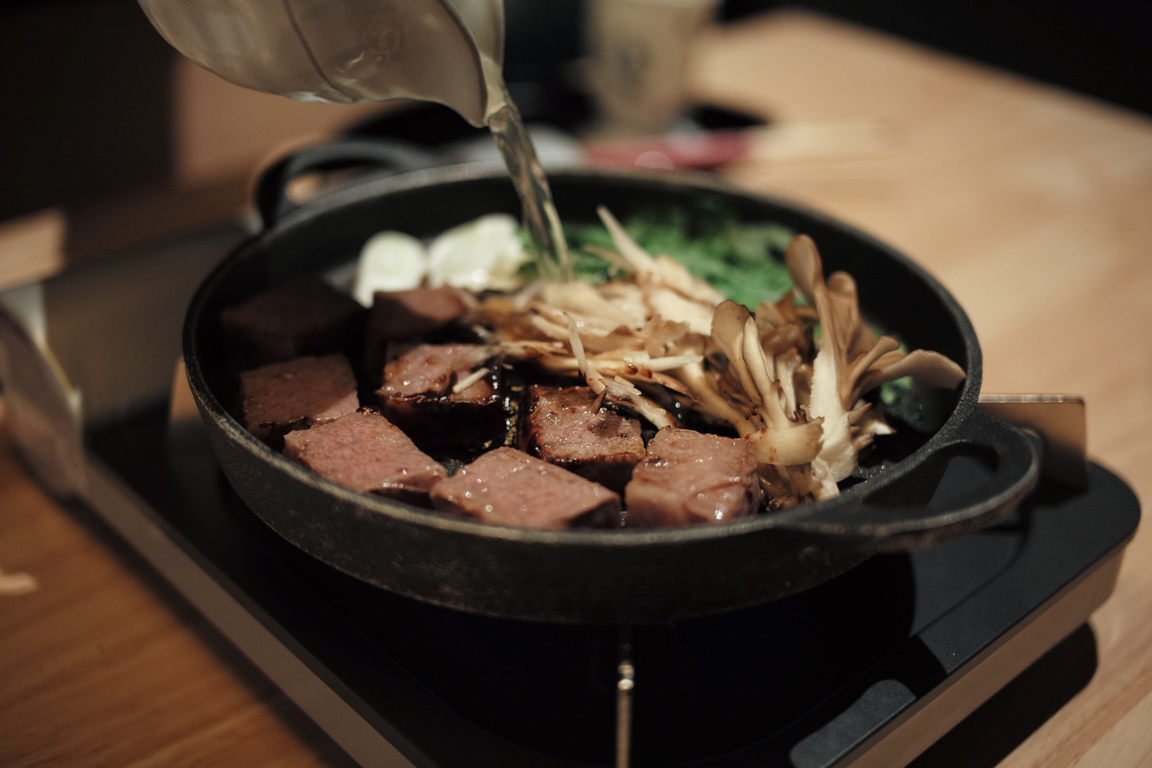
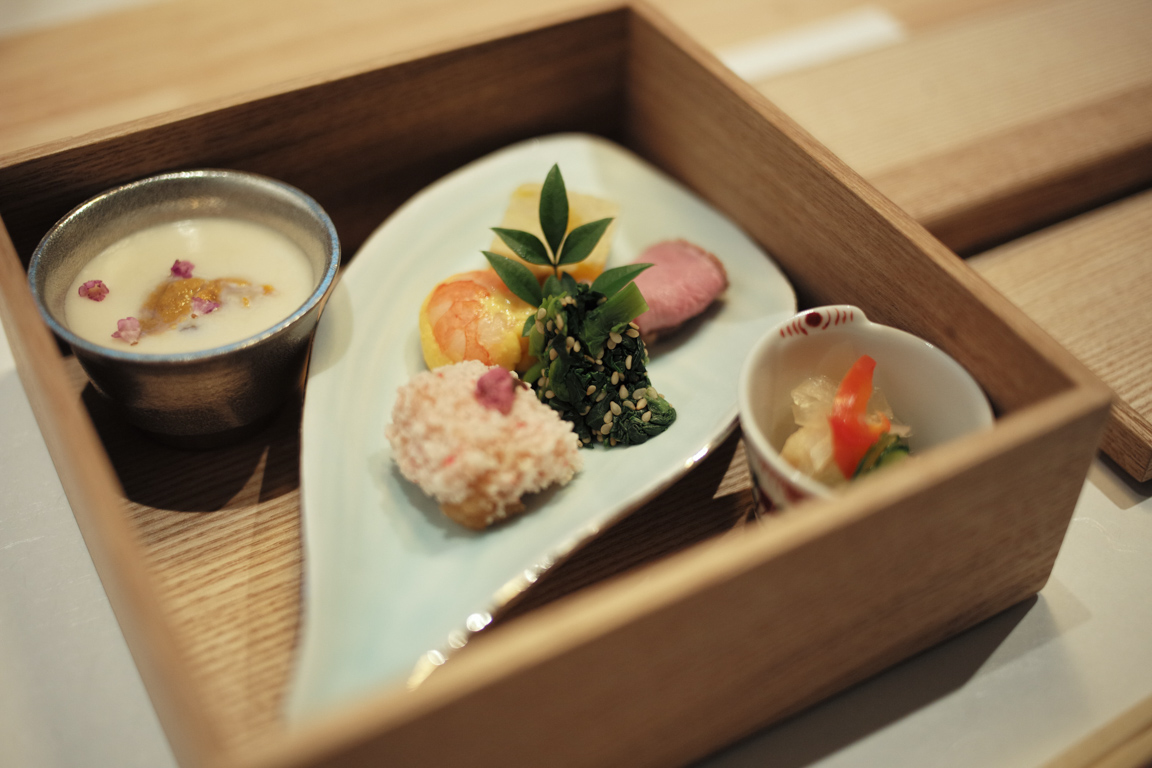
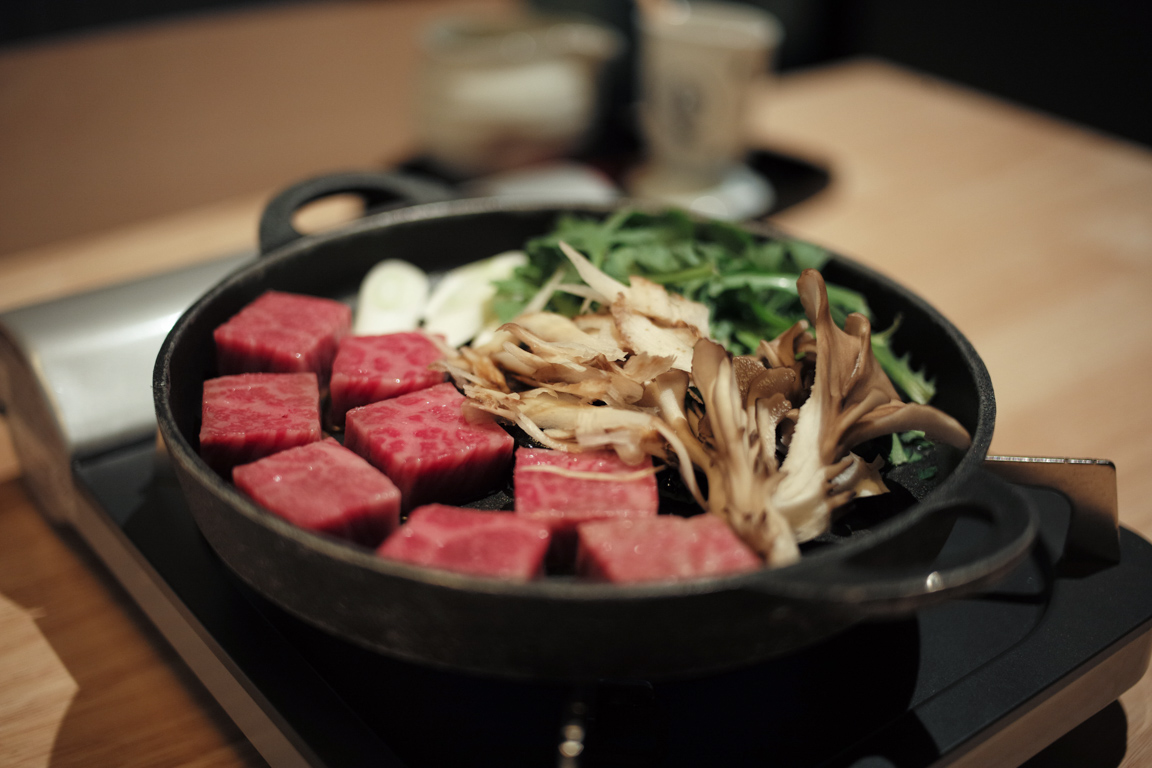
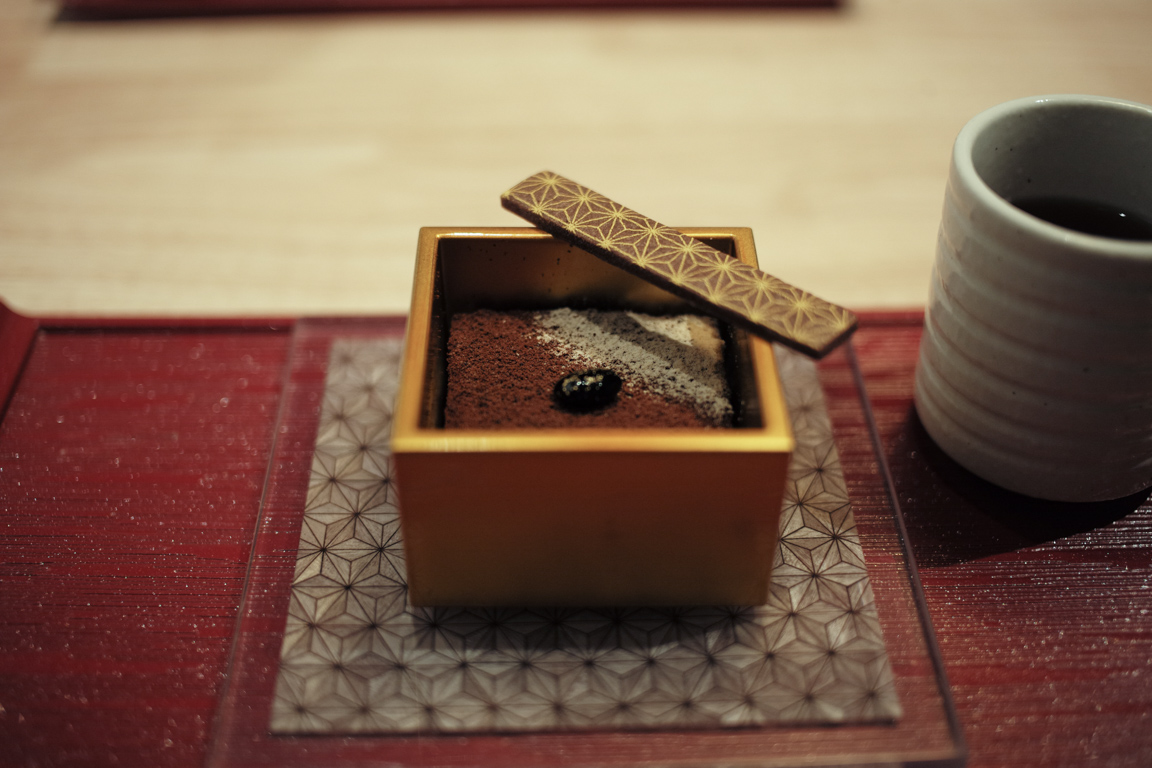
Evening unfolds into a dining experience shaped by Hakone’s history. From Edo to Meiji, seasonal dishes arrive in wooden boxes inspired by the hasamibako once used to carry travelers’ belongings. Then comes Meiji Gyunabe, a dish that recalls the era when Western culture quietly flowed into Hakone as a hot spring retreat. Somehow nostalgic and yet unexpectedly new, it felt like tracing the history of the land through flavour.
夜は、箱根の歴史を映した食体験へ。
江戸から明治へ。
旅人の持ち物を運んだ“挟み箱”を模した木箱に並ぶ季節の料理、
そして、温泉保養地として西洋文化が流れ込んだ時代に想いを馳せる
「明治の牛鍋会席」。
どこか懐かしく、
そして新しい。
土地の歴史を、味わいながら辿っていくような夕食だった。
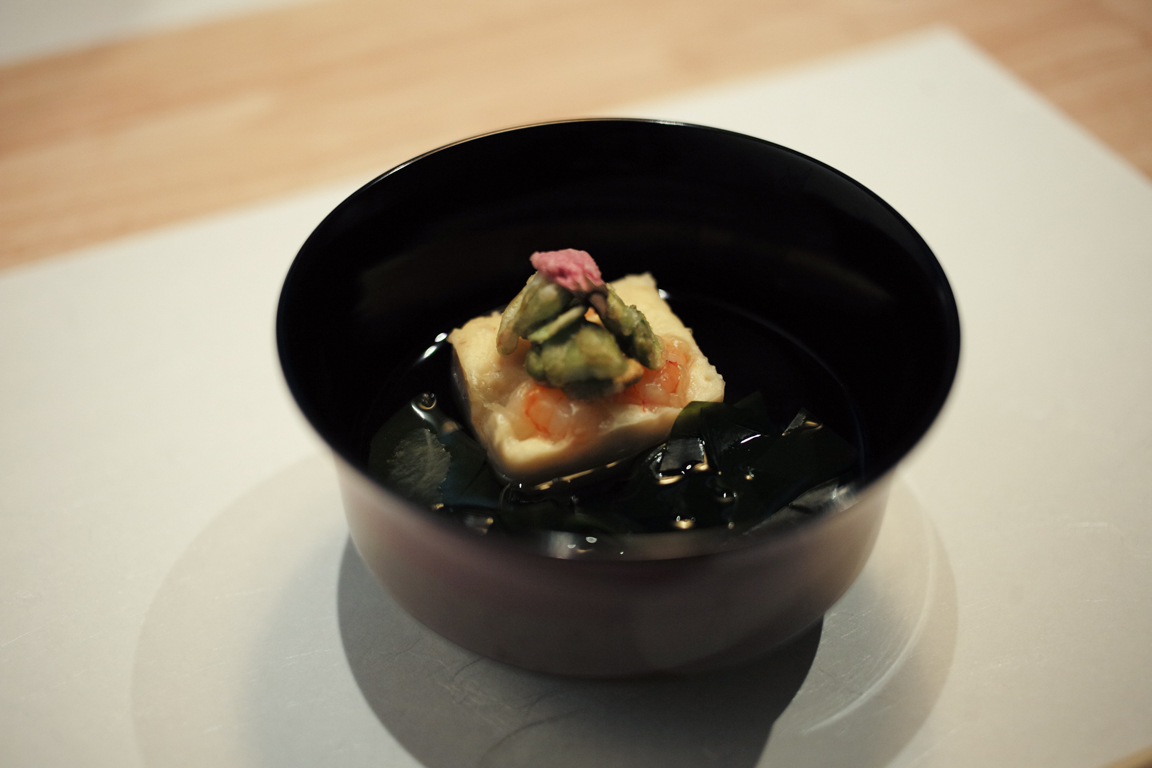
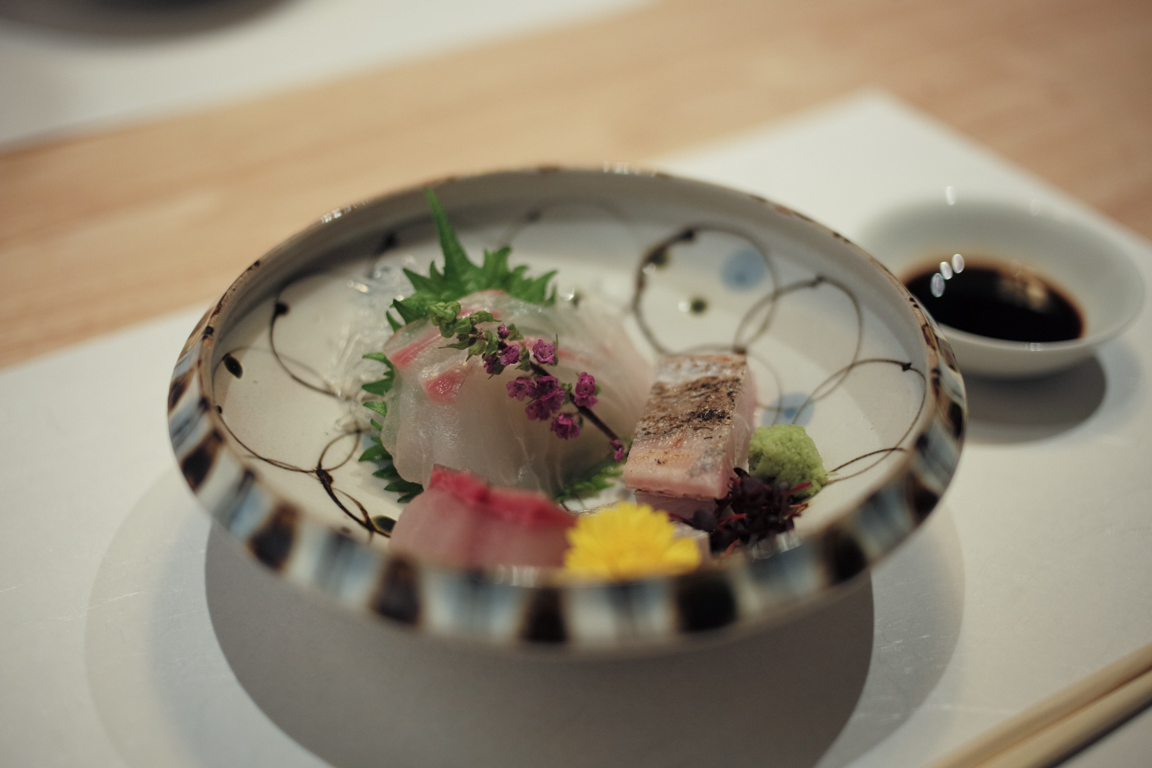
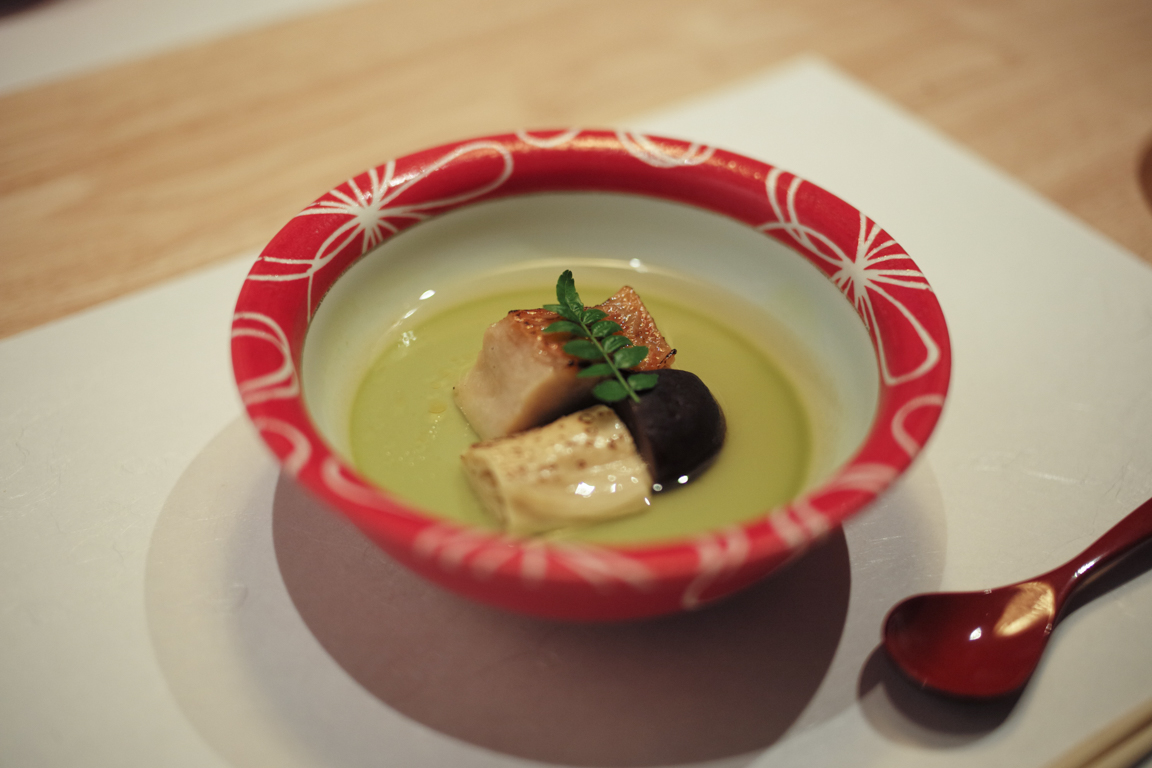
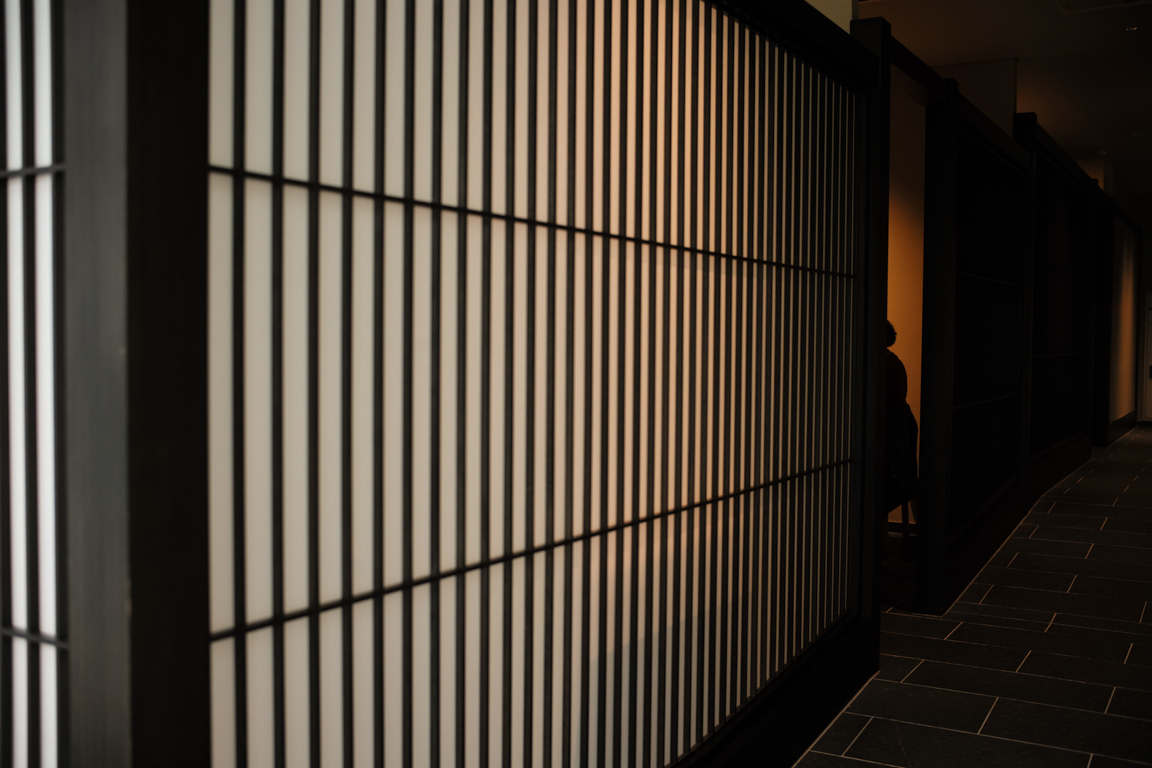
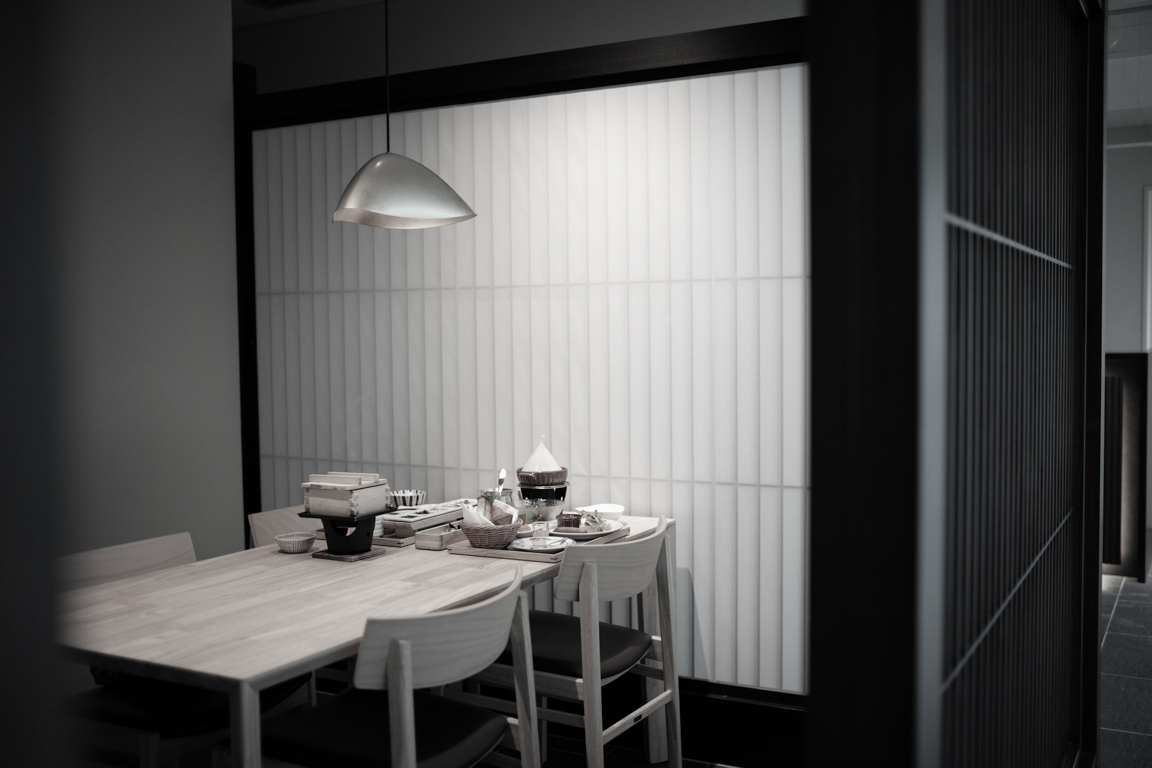
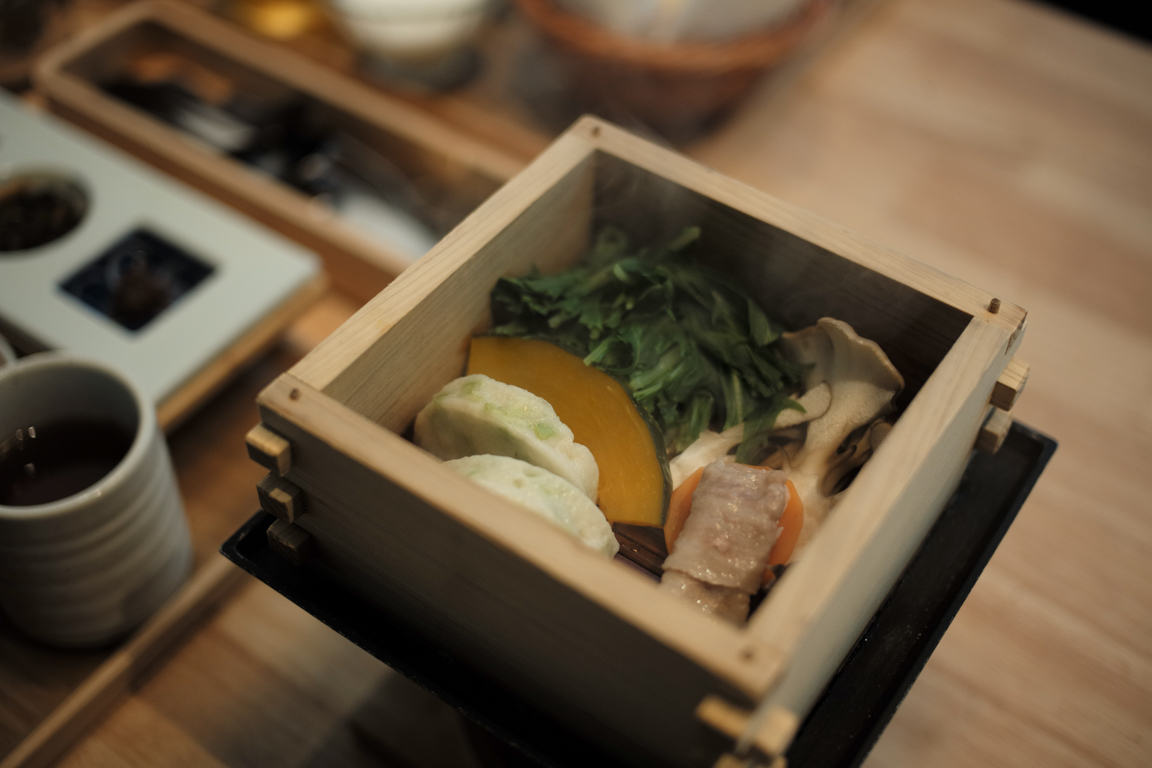
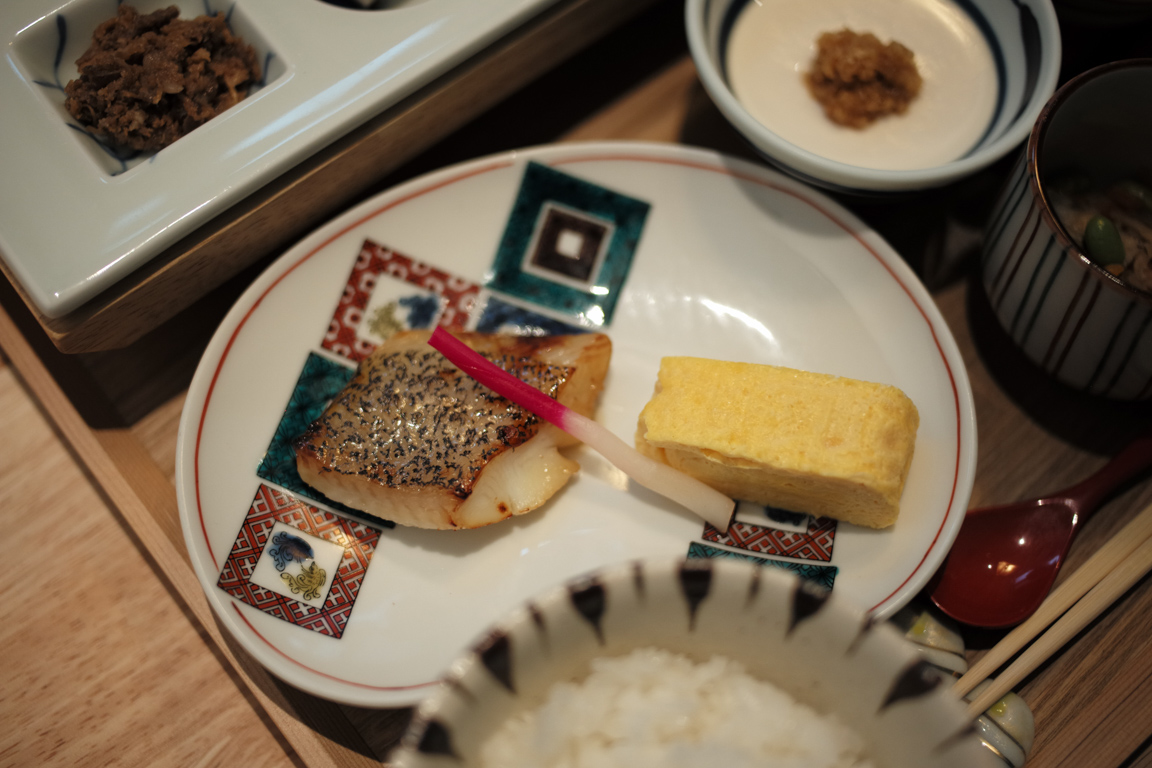
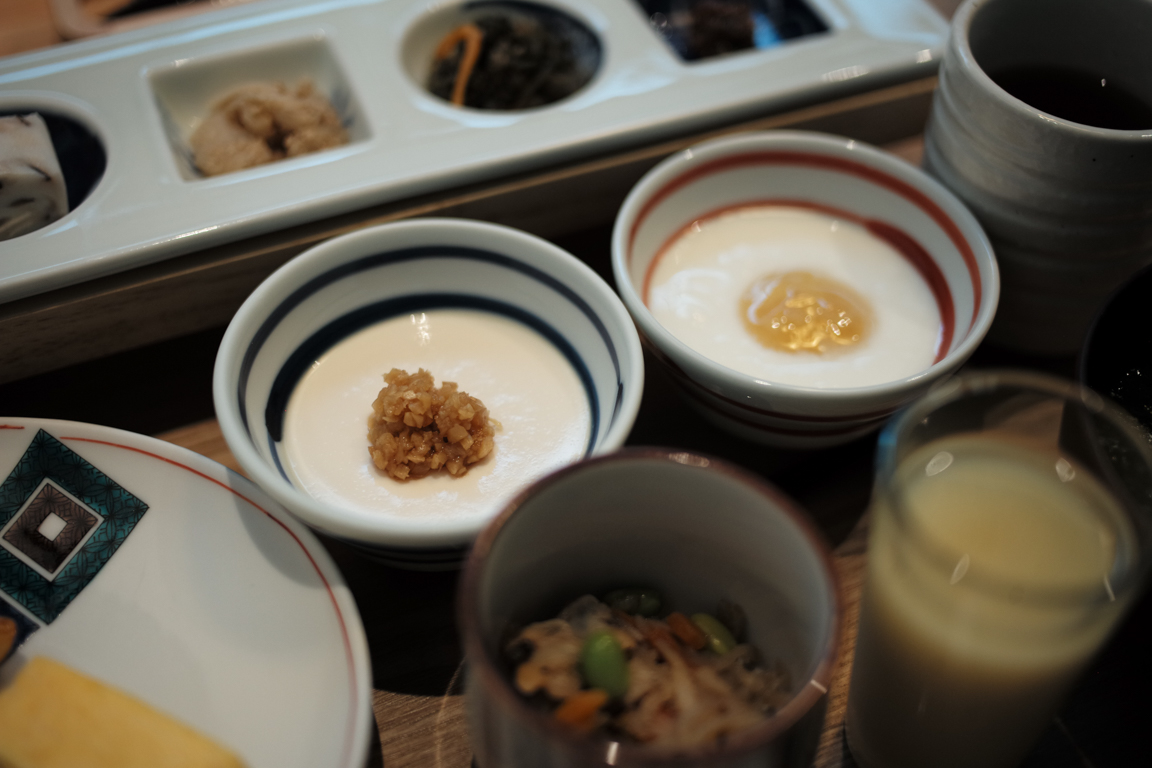
Morning arrives with a colorful Japanese breakfast centered around steamed dishes. Gentle and quiet, it feels like the kind of meal that softly awakens the body.
朝には、せいろ蒸しを中心にした彩り豊かな和朝食。
やさしく、静かに、
からだを目覚めさせてくれる味。
zuku-hiki
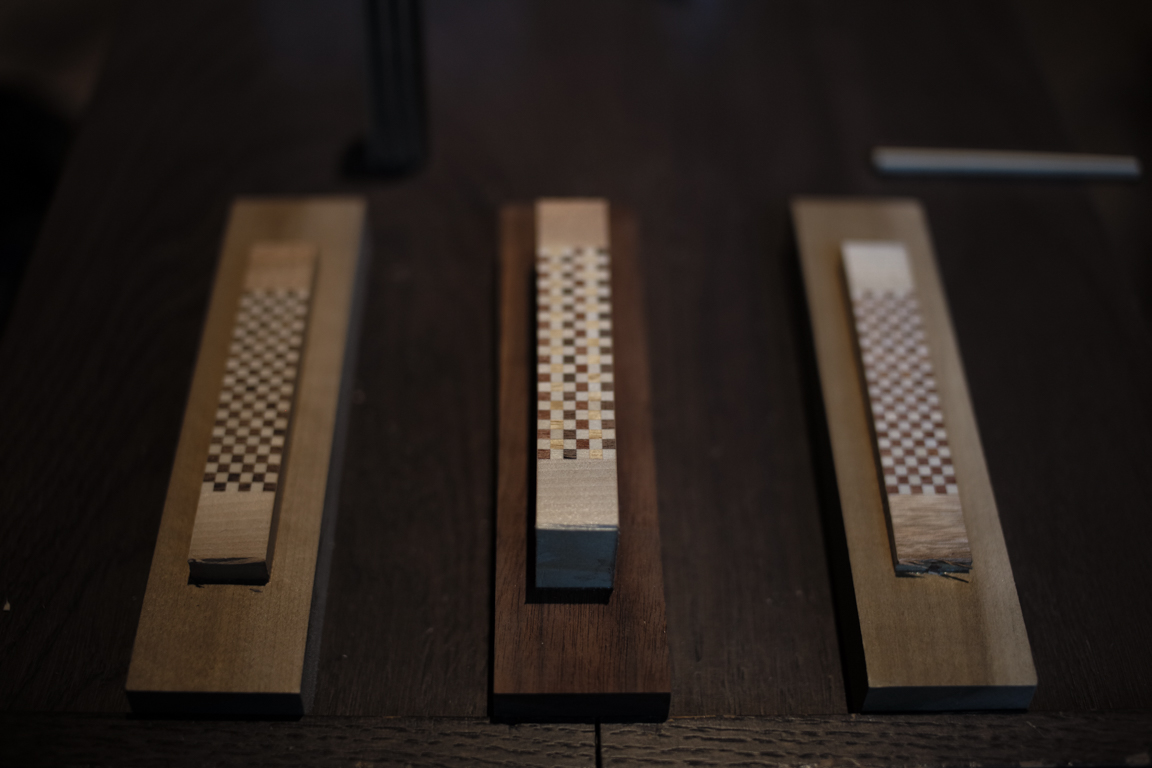
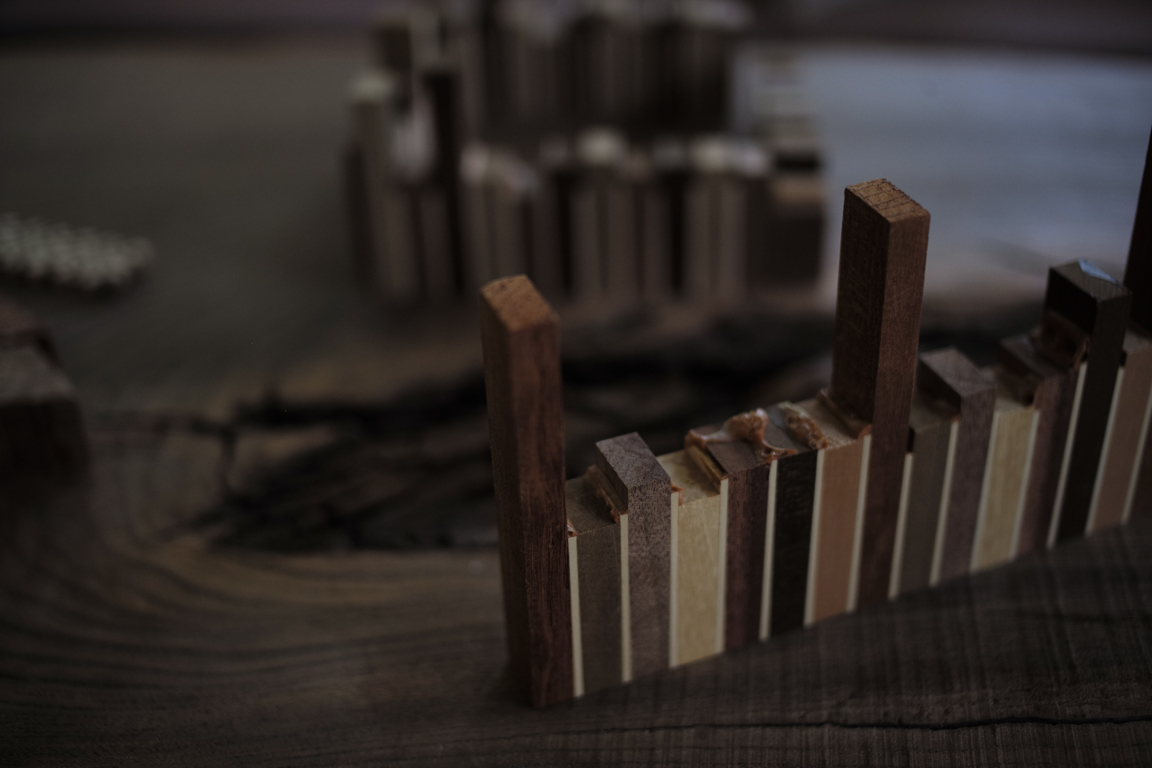
During the stay, there is also the opportunity to experience zuku-hiki, part of Hakone’s yosegi marquetry tradition. Watching wood gradually transform into intricate patterns feels quietly beautiful. Through the hands of artisans, travel memories shift from something merely seen into something that gently stays with you.
滞在の中では、
「寄木細工のずく引き体験」も。
木が、少しずつ模様へと変わっていく瞬間。
職人の手仕事に触れることで、
旅先の記憶は、ただ“見る”ものから、
少しだけ自分の中に残るものへと変わっていく。

quiet unraveling
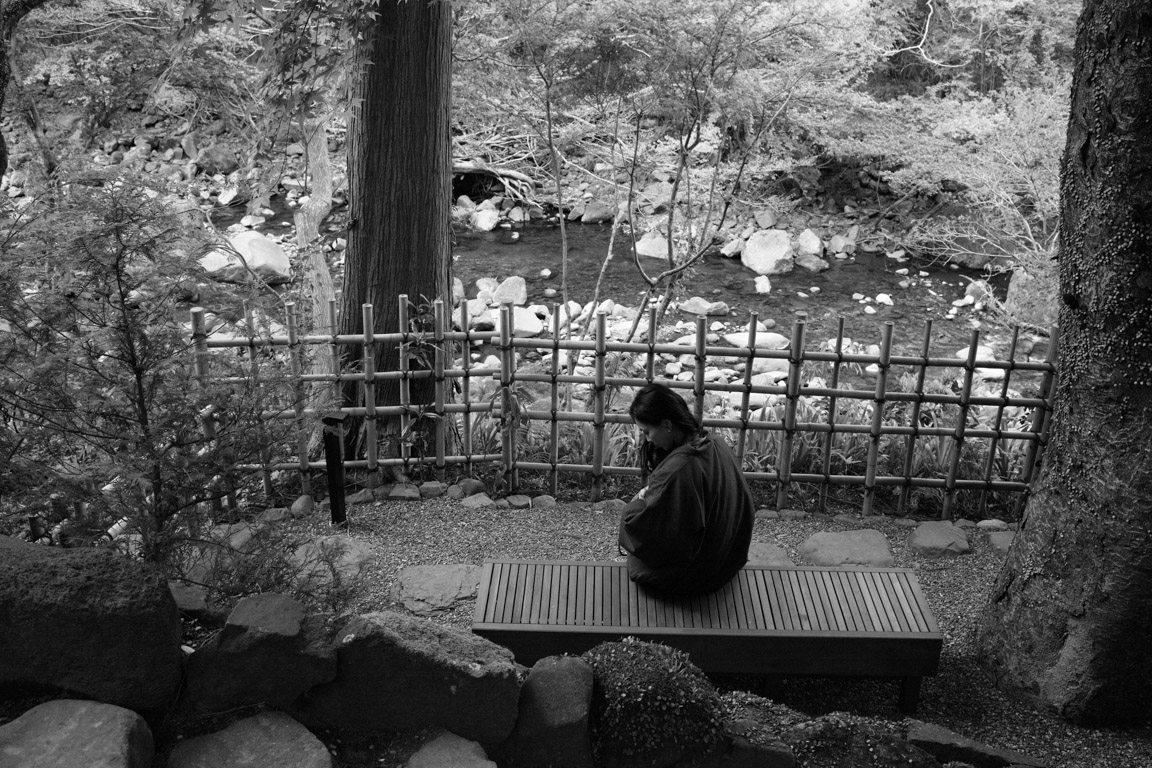
What I felt most at KAI Hakone was not simply rest, but a quiet unraveling. There was no need to rush, no need to do anything at all. Simply listen to the river, sink into the water, and watch the changing scenery. Somehow, before you realize it, you find yourself returning to a version of yourself ready to begin again. For a moment, I felt I understood why travelers once stopped here to rest.
界 箱根で感じたのは、
“休む”というより、
“ほどける”という感覚だった。
急がなくてもいい。
何かをしなくてもいい。
ただ、川の音を聞き、
湯に浸かり、
景色を眺める。
そうしているうちに、
いつの間にか、また歩き出せる自分へ戻っている。
旅人たちが昔、ここで羽を休めた理由が、
少しだけわかった気がした。